The Edinburgh Fringe Festival is not only one of the world’s largest arts festivals but also a fascinating story of creative rebellion and evolution. Its origins trace back to 1947, a year of both celebration and defiance in the wake of World War II. In a time when the arts were seen as a beacon of hope and renewal, Edinburgh emerged as the perfect stage for an unprecedented experiment in artistic freedom.
In 1947, the Edinburgh International Festival was conceived to bring world class classical music, opera, and theatre to a recovering Europe. However, alongside this curated program, several independent theatre groups, having been left out of the official lineup, decided to showcase their own work. These pioneering performers transformed any available space (from church halls to public parks) into impromptu venues, setting the stage for what would soon be known as “the Fringe.” This bold, grassroots movement quickly gained momentum as more artists embraced the opportunity to experiment outside traditional boundaries.
During the 1950s and 1960s, the Fringe began to take on a life of its own. It became a magnet for innovative performers from all over the United Kingdom and beyond. The festival was defined by its open access policy: anyone with a passion for performance could join. This inclusivity fostered a culture where risk taking was not just accepted but celebrated. Productions ranged from avant-garde theatre and experimental dance to raw, unfiltered comedy, each performance challenging the norms of conventional art. Audiences flocked to the festival, drawn by the promise of discovering the new and the unexpected.
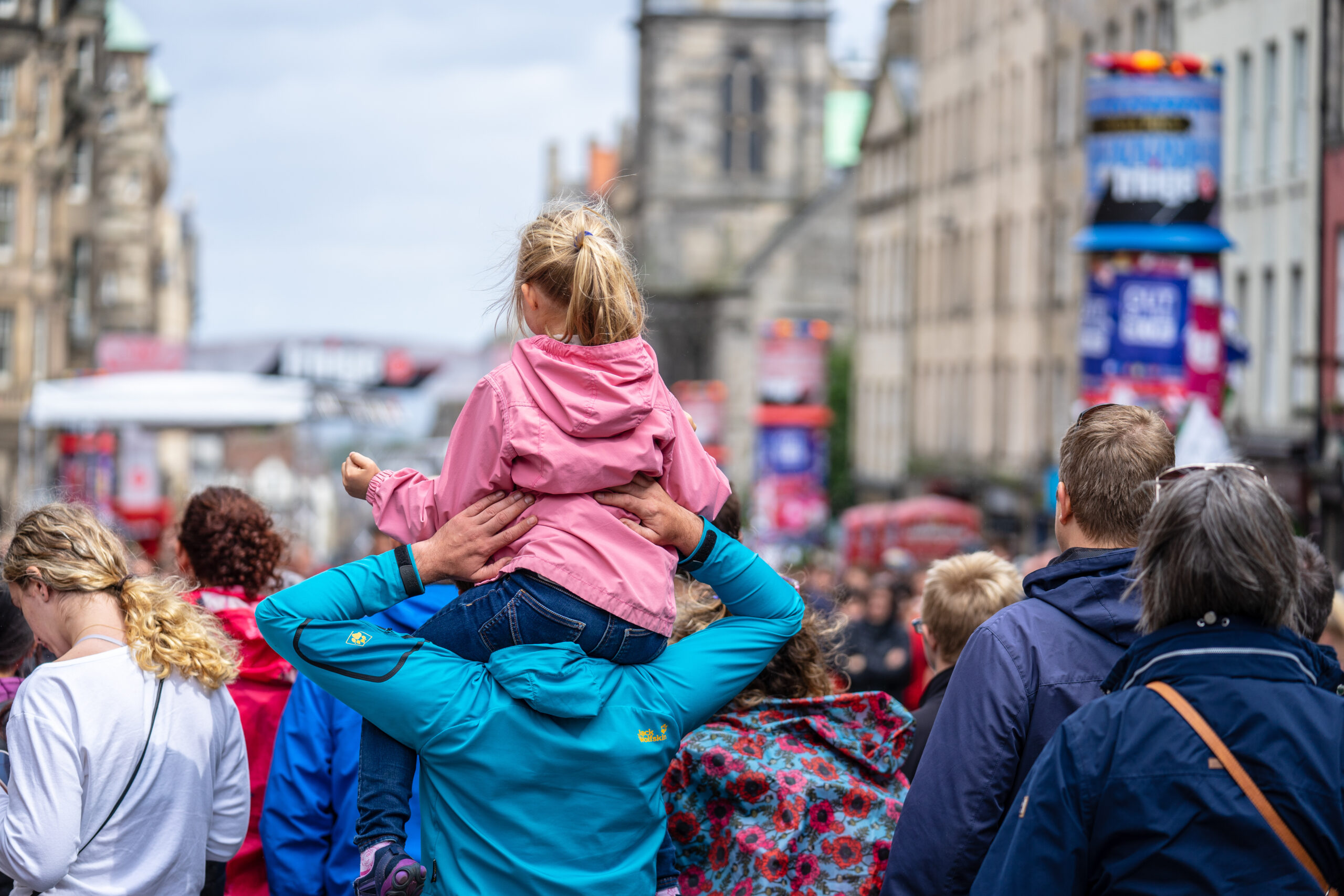
The 1970s and 1980s saw the Fringe Festival expand both in size and reputation. As the number of shows increased, so did the variety of venues scattered throughout Edinburgh. These were not always traditional theatres; many performances took place in pubs, community halls, or even on street corners. This period marked the rise of stand-up comedy as a central feature of the Fringe. Many comedians cut their teeth on the festival’s stages, turning experimental sets into careers that would later shine on the global stage. The energy was infectious, with the city itself transforming into a living, breathing stage where art and life intertwined.
In the 1990s and early 2000s, the Fringe Festival experienced explosive growth. The sheer scale of the event became almost overwhelming, with thousands of shows running concurrently and attracting audiences from around the globe. This era solidified the Fringe’s reputation as a launchpad for emerging talent and a playground for creative innovation. Despite the rapid expansion, the festival’s core ethos remained intact: it was still a celebration of artistic diversity, where every performer, whether an established artist or a newcomer, had a voice. The open access format ensured that the Fringe continued to be a true reflection of the creative spirit, unburdened by commercial constraints.
Today, the Edinburgh Fringe Festival stands as a testament to the power of artistic freedom. It is a dynamic, ever evolving celebration that encompasses not only theatre and comedy but also music, dance, cabaret, spoken word, and even digital and multimedia performances. The festival has had a profound impact on the global arts scene, inspiring countless similar events around the world. Yet, its humble origins are never far from its heart, a reminder of the courage it takes to break away from tradition and create something entirely new.
Throughout its history, the Fringe has also faced challenges. Rapid expansion brought logistical hurdles and debates over balancing commercial viability with artistic integrity. There were moments when critics questioned whether the festival’s freewheeling spirit could survive in the face of growing corporate interests. Nevertheless, the resilient nature of the Fringe community comprising organisers, performers, and audiences alike ensured that the festival not only endured but thrived. These challenges have only served to reinforce the importance of maintaining an open, inclusive space where creativity can flourish without compromise.
Looking ahead, the Edinburgh Fringe Festival continues to be a beacon for innovation and experimentation. It remains a place where established artists and fresh, unknown voices converge, where every performance is an invitation to explore new ideas and perspectives. The festival’s enduring legacy lies in its celebration of the unpredictable, the avant-garde, and the transformative power of art.
From its post-war beginnings to its current status as a global cultural phenomenon, the Edinburgh Fringe Festival embodies the spirit of creative rebellion. It reminds us that some of the most groundbreaking artistic achievements can emerge from the fringes, challenging us to look beyond the conventional and embrace the limitless possibilities of human expression. As the festival moves into the future, its story continues to inspire generations of artists and audiences, ensuring that the legacy of the Fringe will endure for years to come.