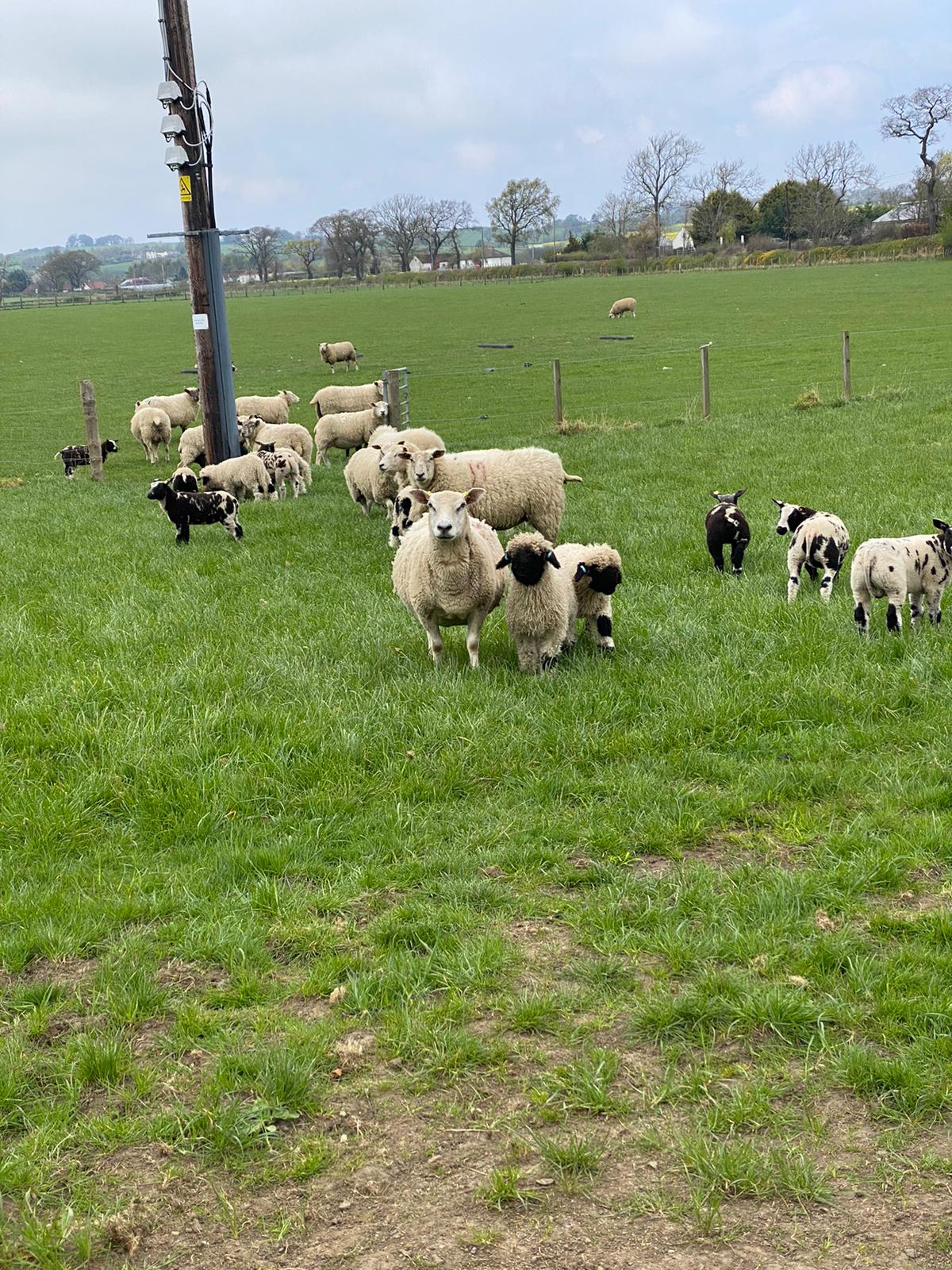
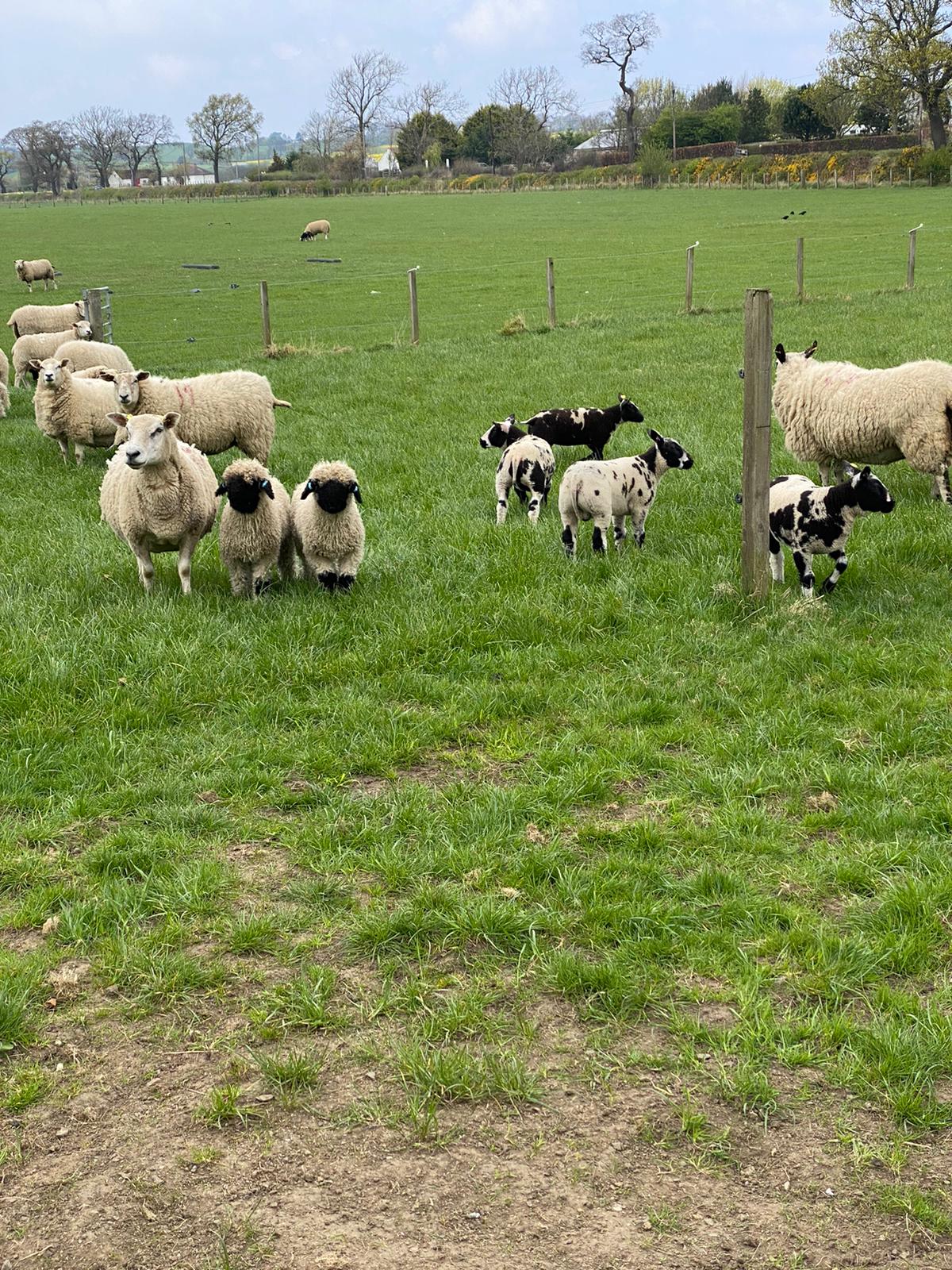
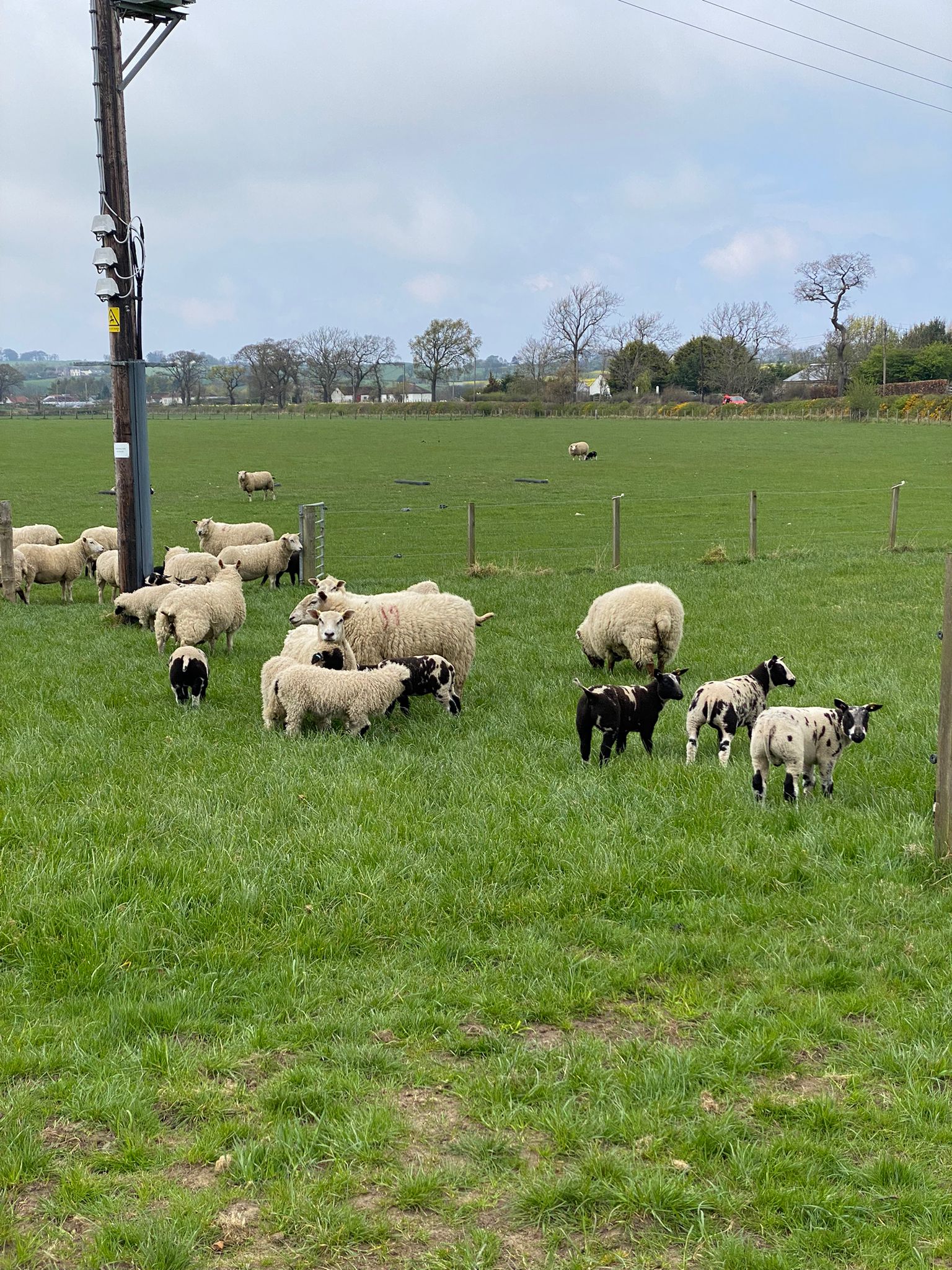
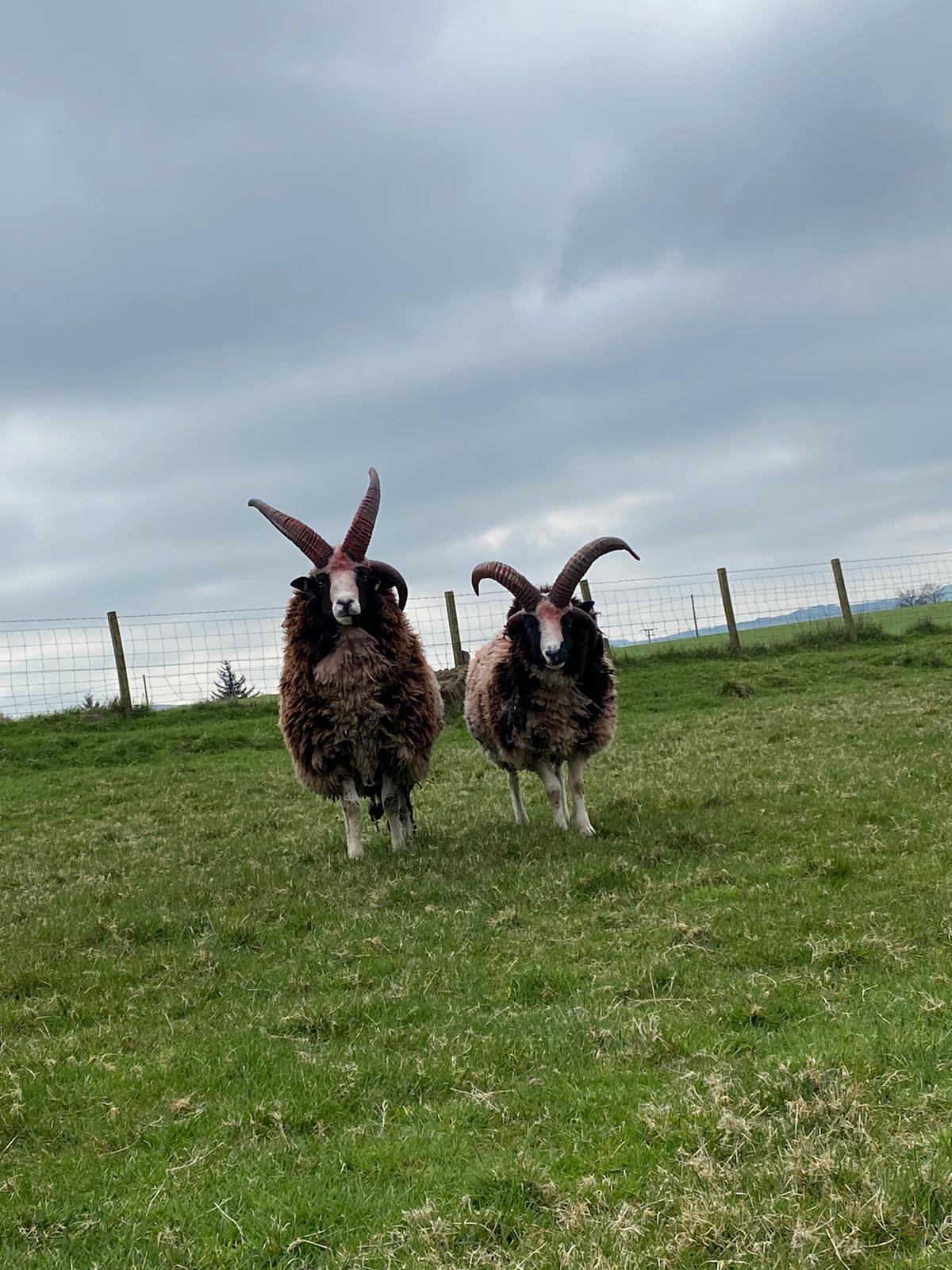
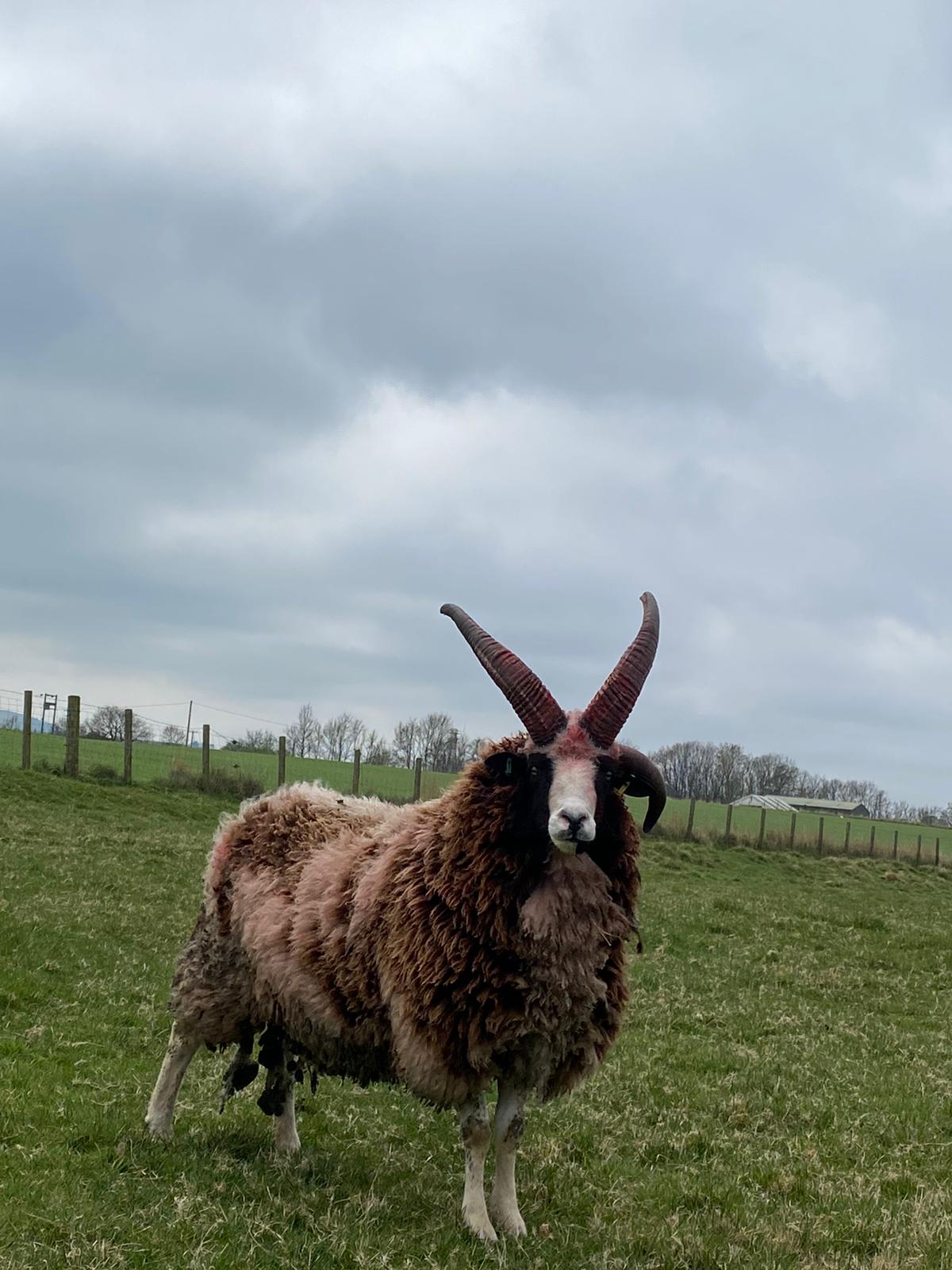
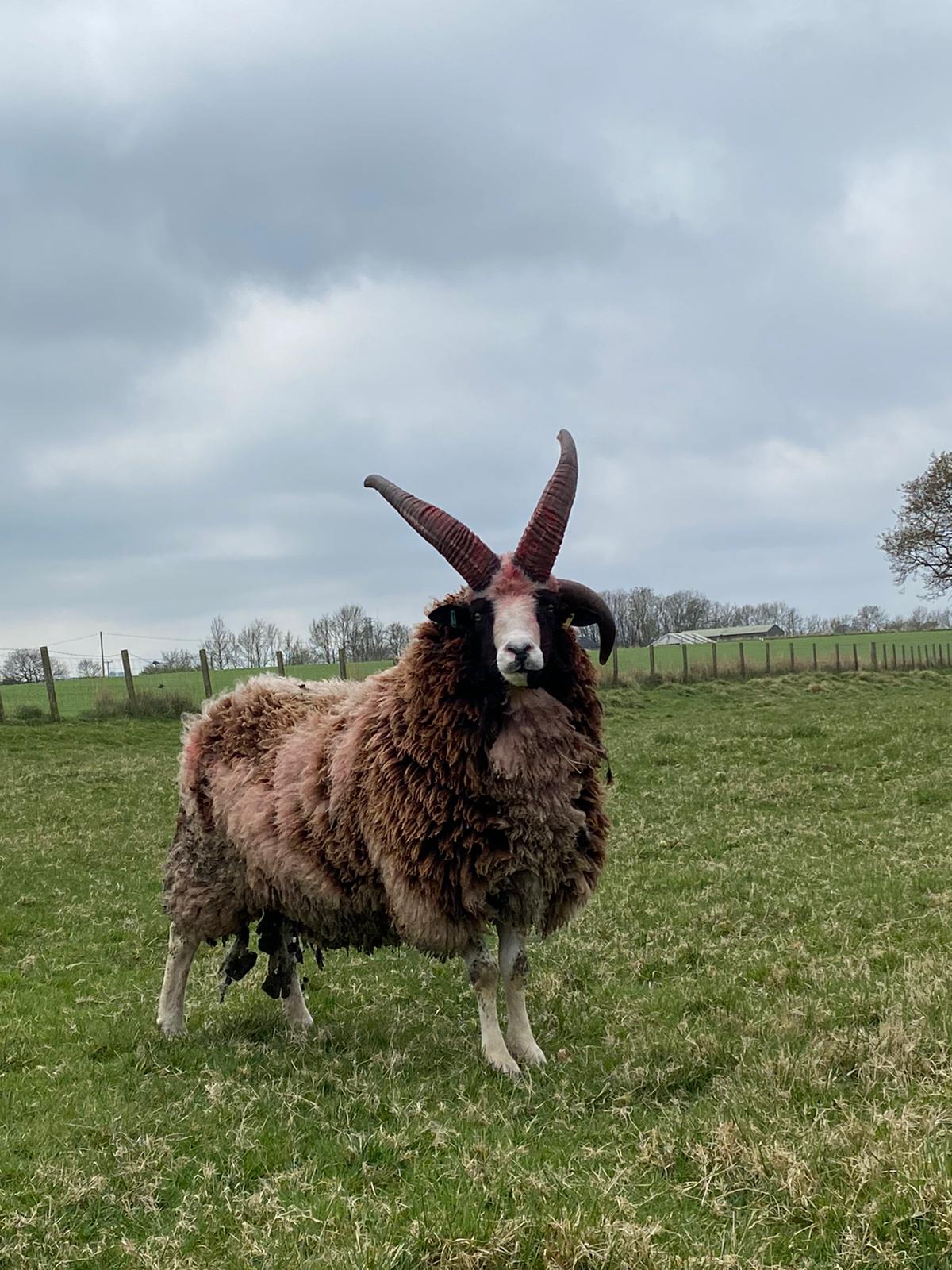
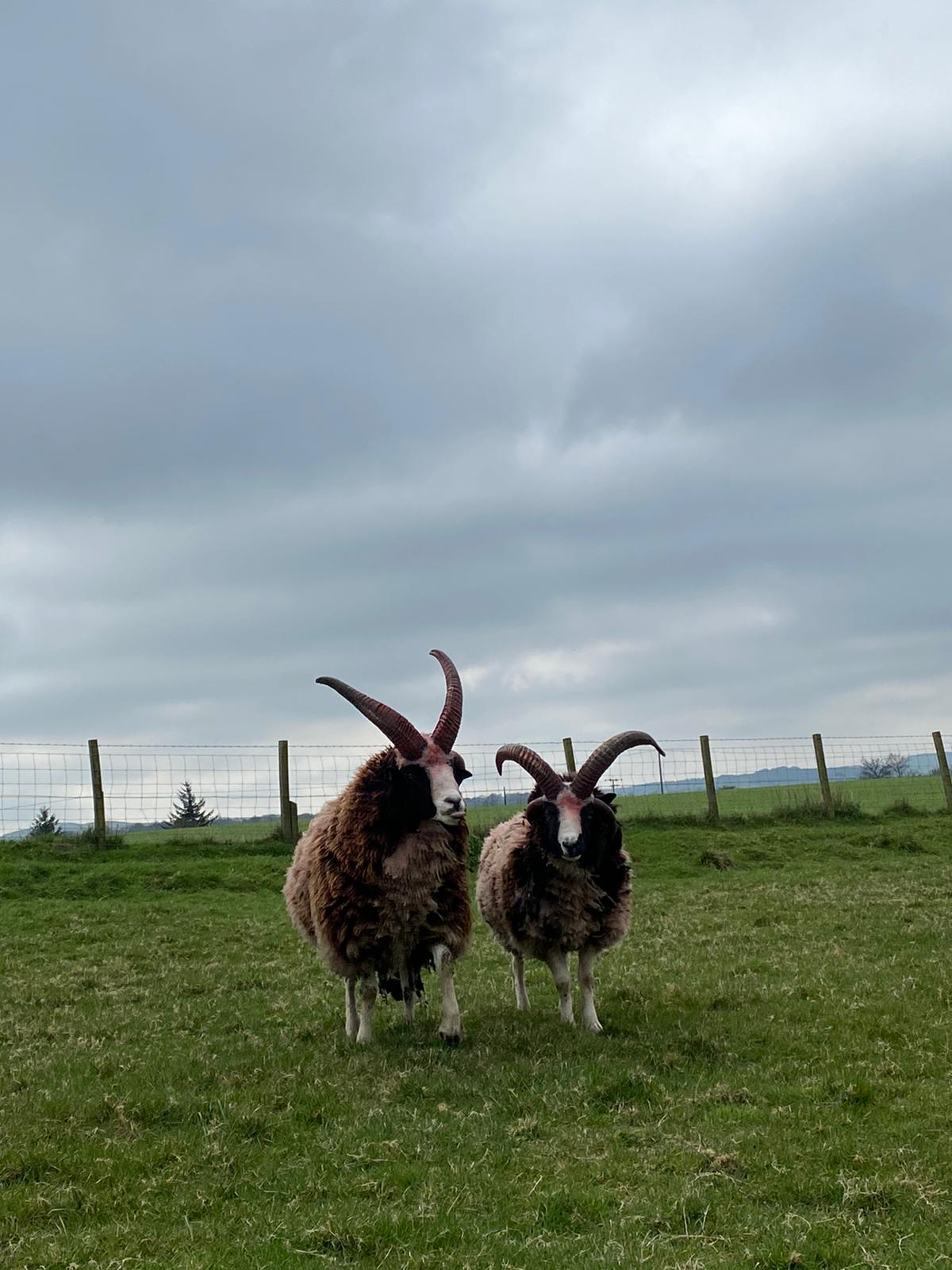
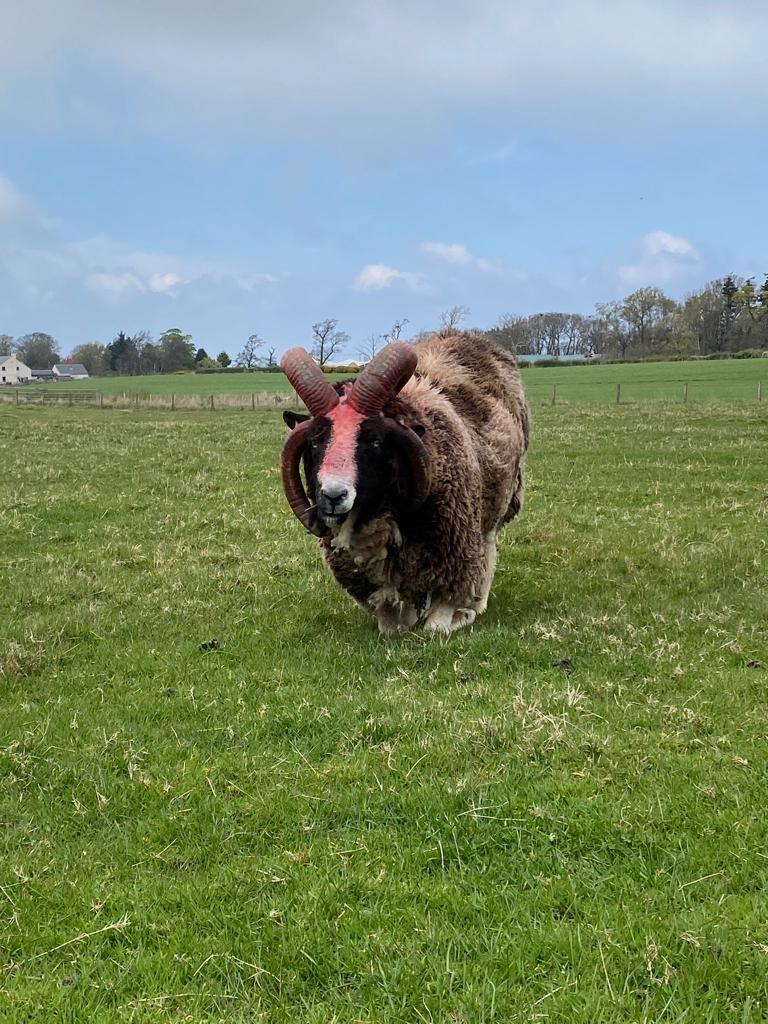
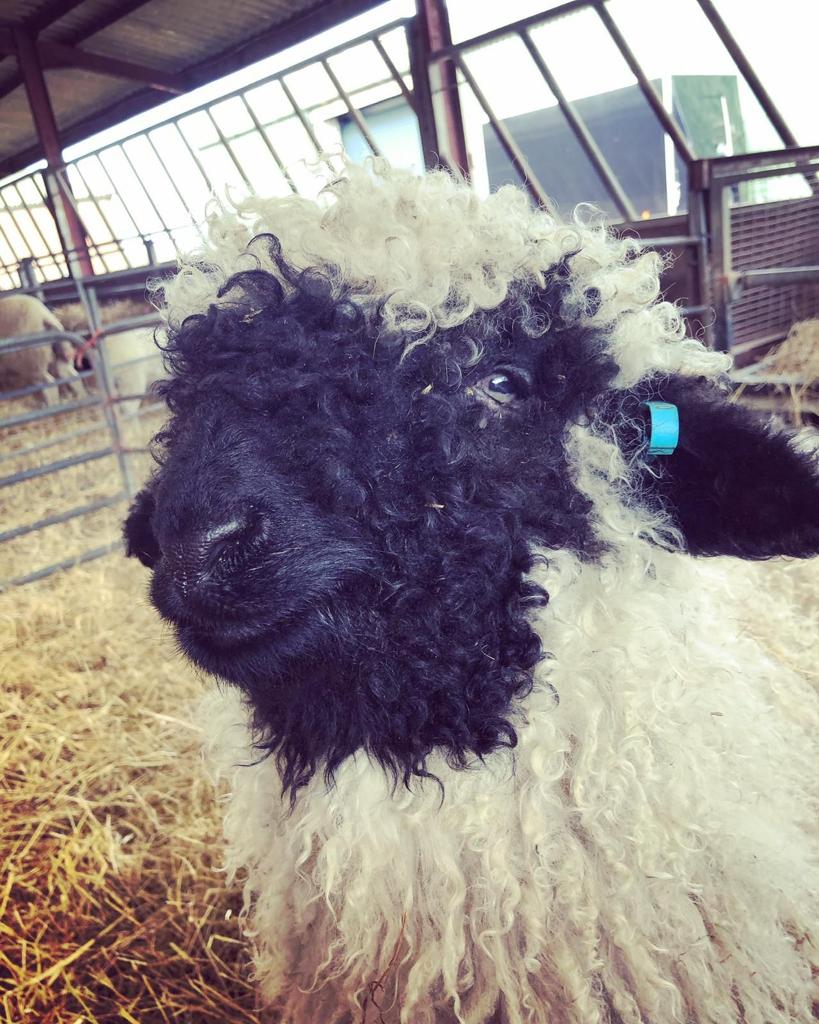
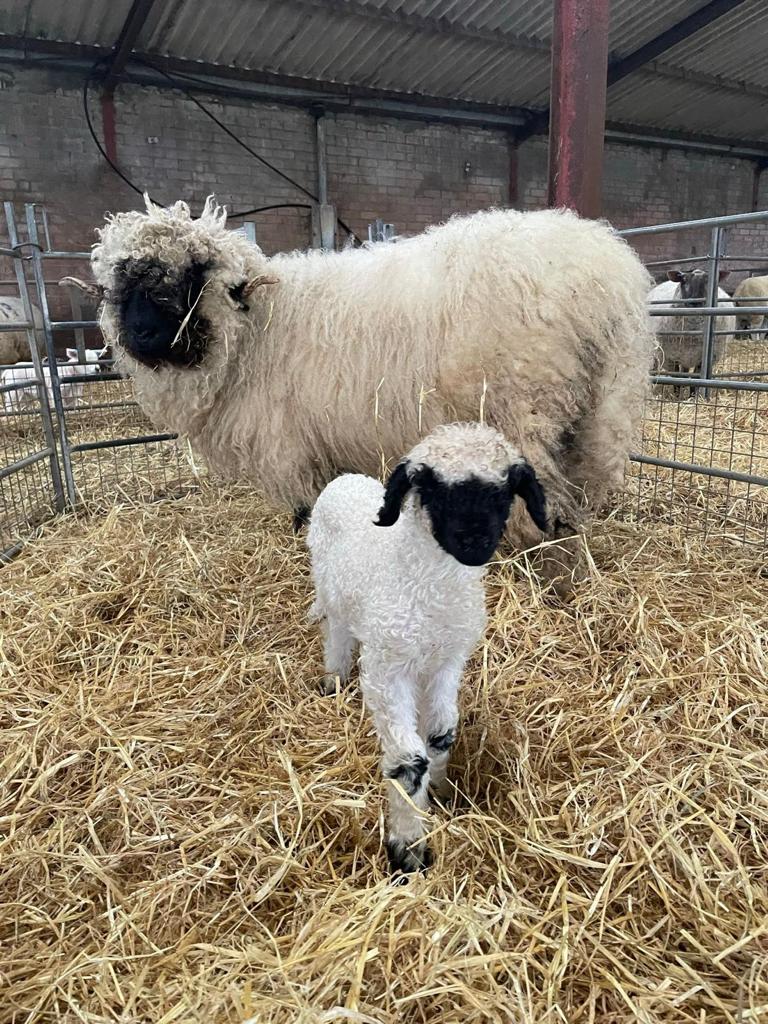
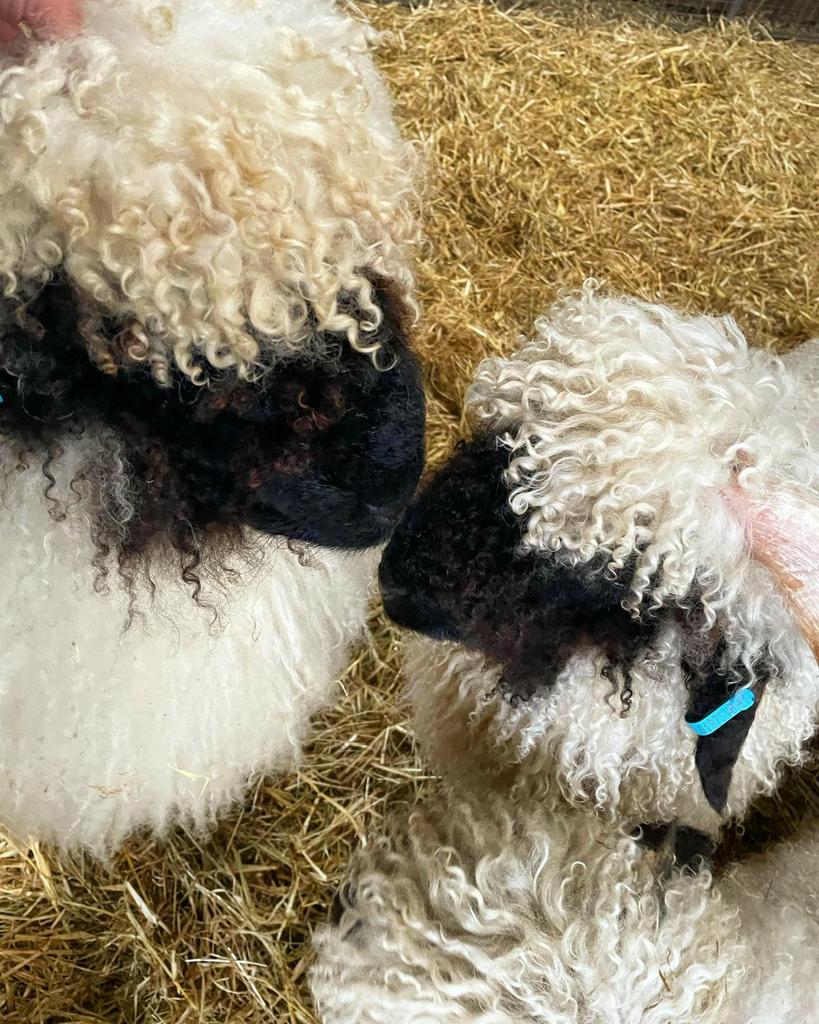
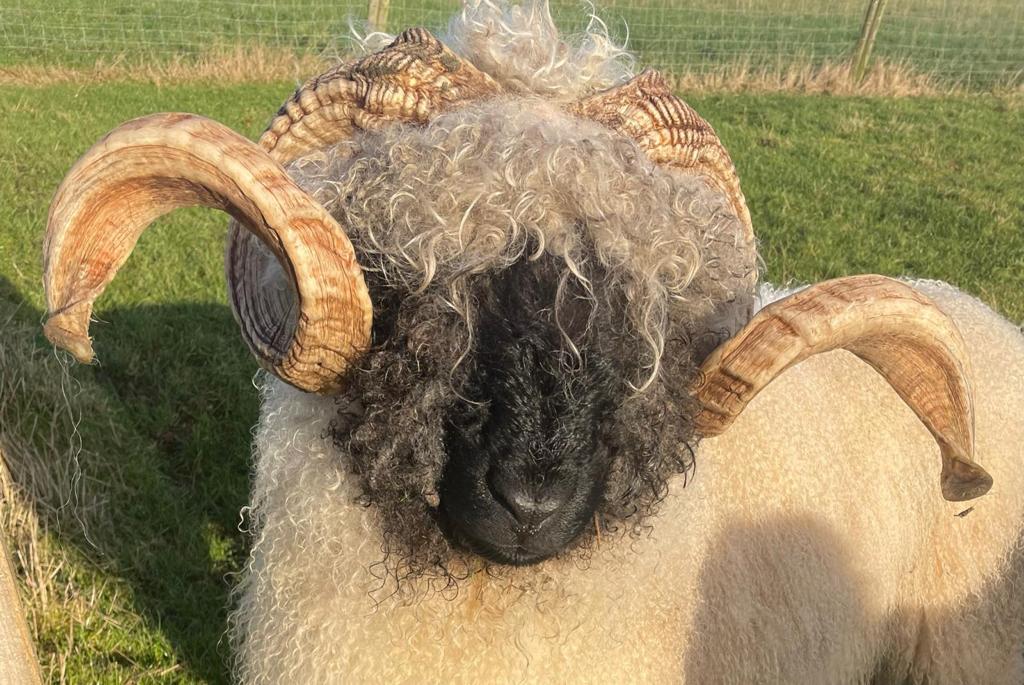
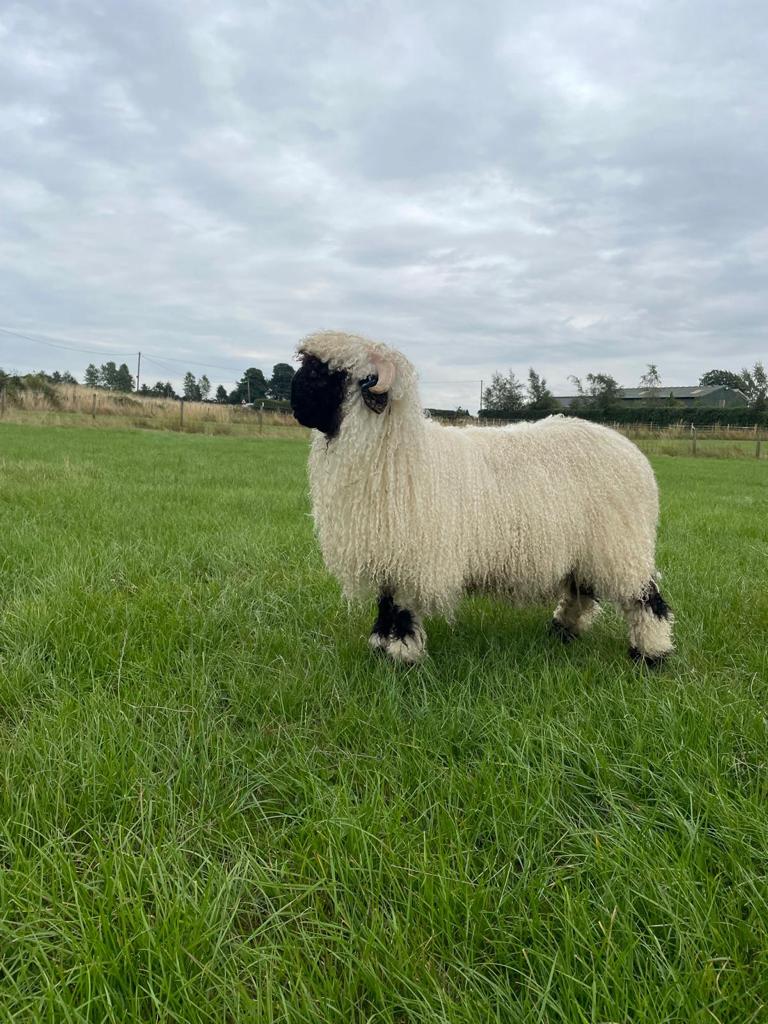
Paddockhall is a working farm, which means when you visit you will have the opportunity to see a wide range of livestock. As a well renowned arable and stock farm, Paddockhall have produced prize winning malting barley, Texel, Jacob, and Valais sheep.
Our rural surrounding plays host to a diverse range of wildlife, giving visitors a chance to see wild birds and animals in their natural habitat. Brown hare are a fairly common sight around Paddockhall, and if you happen to be awake very early there are Roe deer to be spotted.
The avian population consist of the rare skylark, partridge, pheasants, swallows, house martins, pairs of buzzards, pairs of crow and pink footed geese. Visitors in the autumn have the chance to spot Barnacle Geese from October through November and they take a well-earned rest from their southern migratory trip from the tundra.
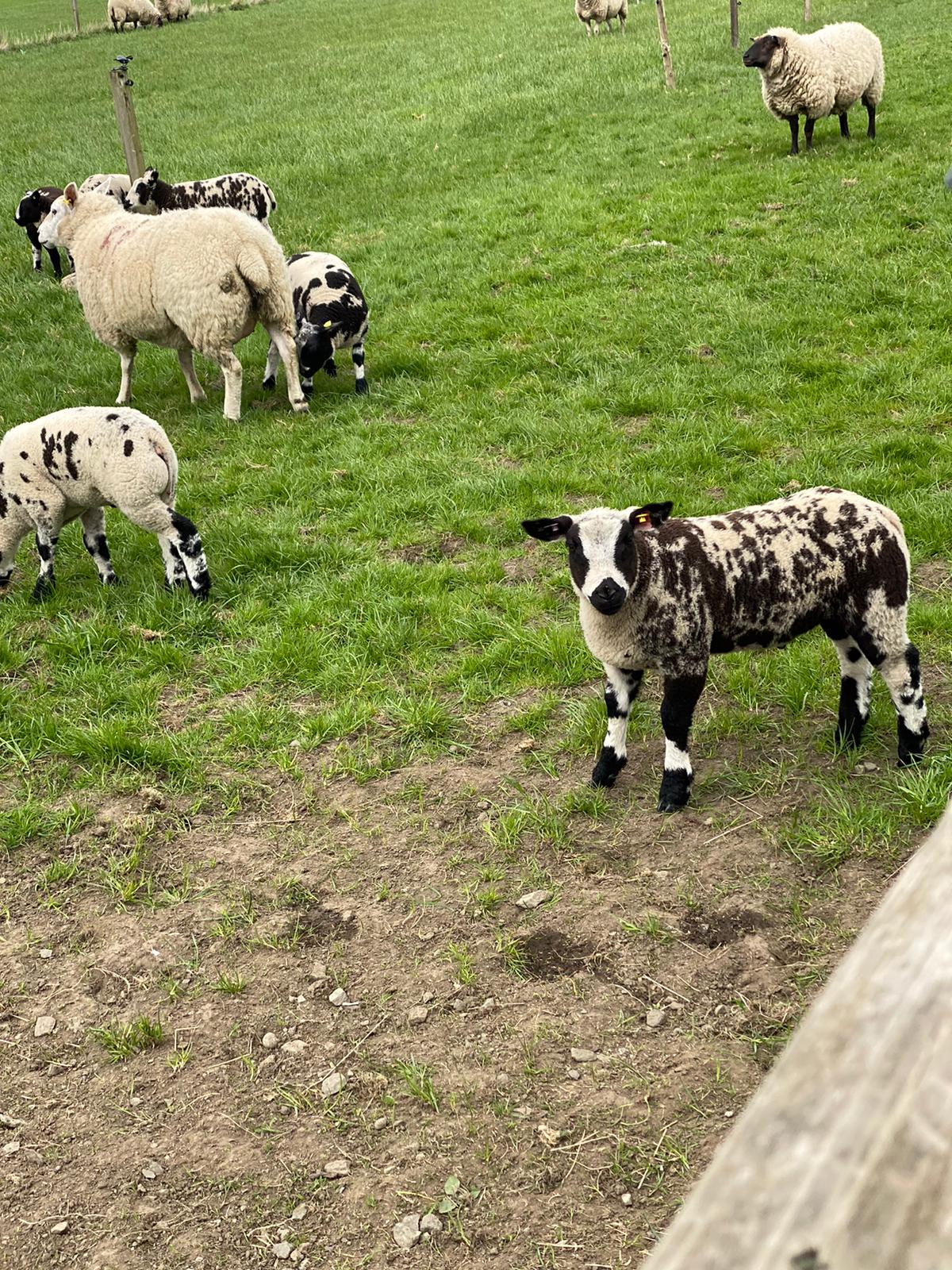
Dutch Spotted Sheep
First recorded around the 1880s, the Dutch Spotted Sheep is thought to have evolved from hardy sheep that grazed peat bogs. In the 1950s, farmers began crossing the Dutch Spotted with other breeds to develop crossbred ewes and prime lambs. Nowadays, the Dutch Spotted Sheep is a valuable addition to any farm. These sheep have excellent milk yield, hard feet, and an easy temperament, making them the ideal choice for a number of farming situations. Today, they are considered pure breeds and the Netherlands, Germany, and Spain are home to the largest Dutch Spotted Sheep flocks.
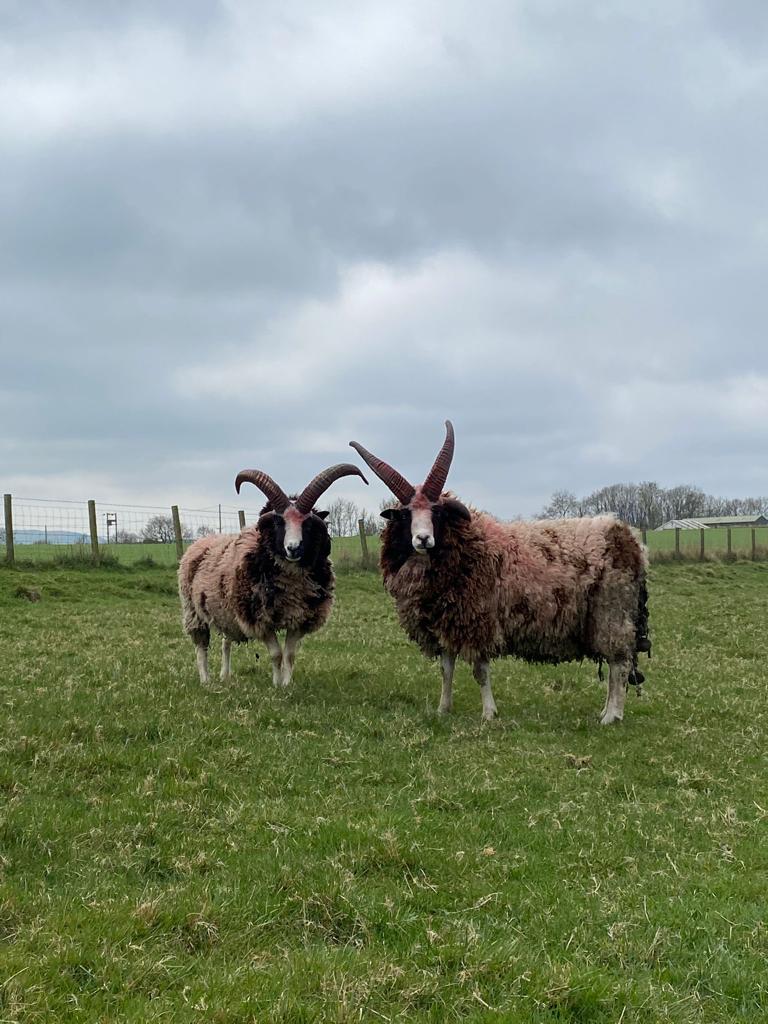
The Jacob is a domestic sheep breed from Great Britain, which has an unusual coloration of piebald. Typically polycerate and multi-horned, the Jacob most commonly have four horns and a long, thick neck. Jacobs can reach up to 100 pounds and are widely available as pets. The fleece of a Jacob sheep is described as a medium-weight wool, with dark brown spots at the tips. This wool is usually medium-weight, and may be a blend of varying shades of grey.
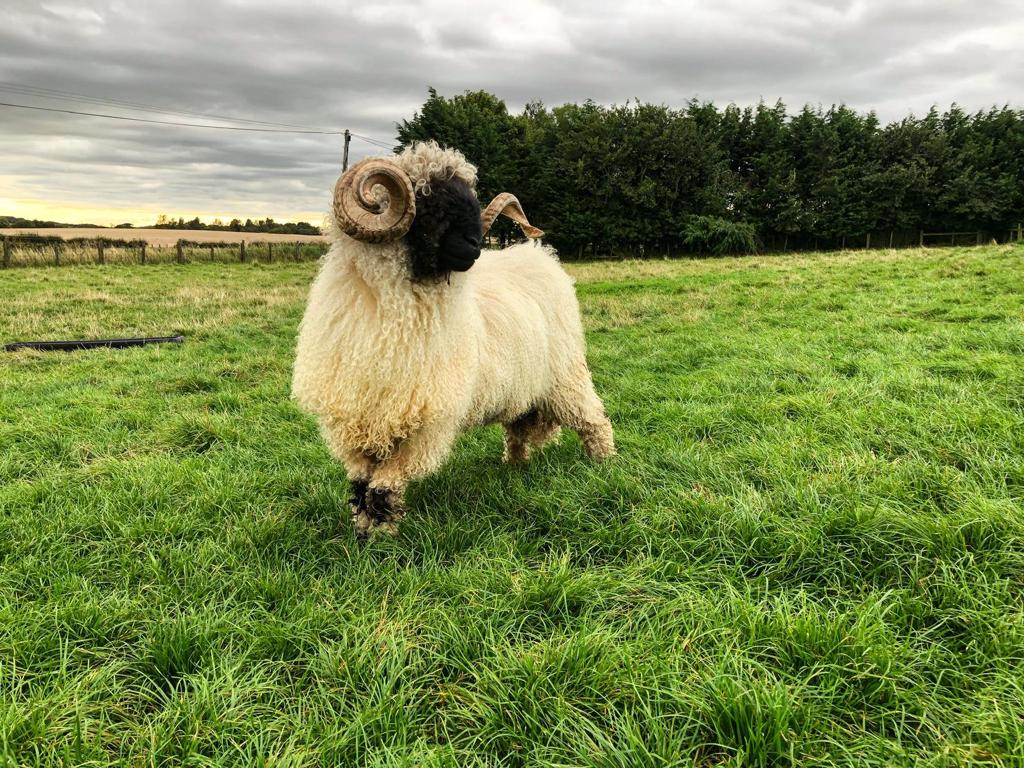
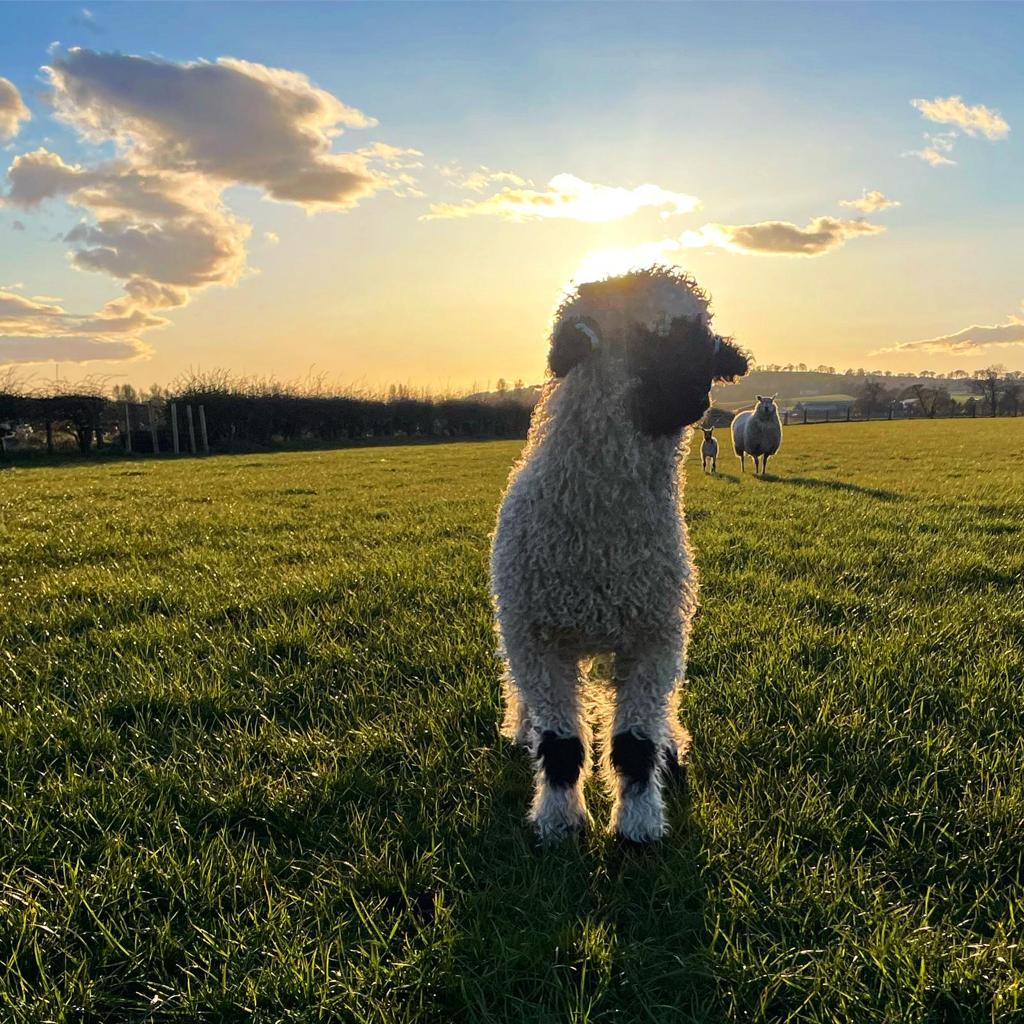
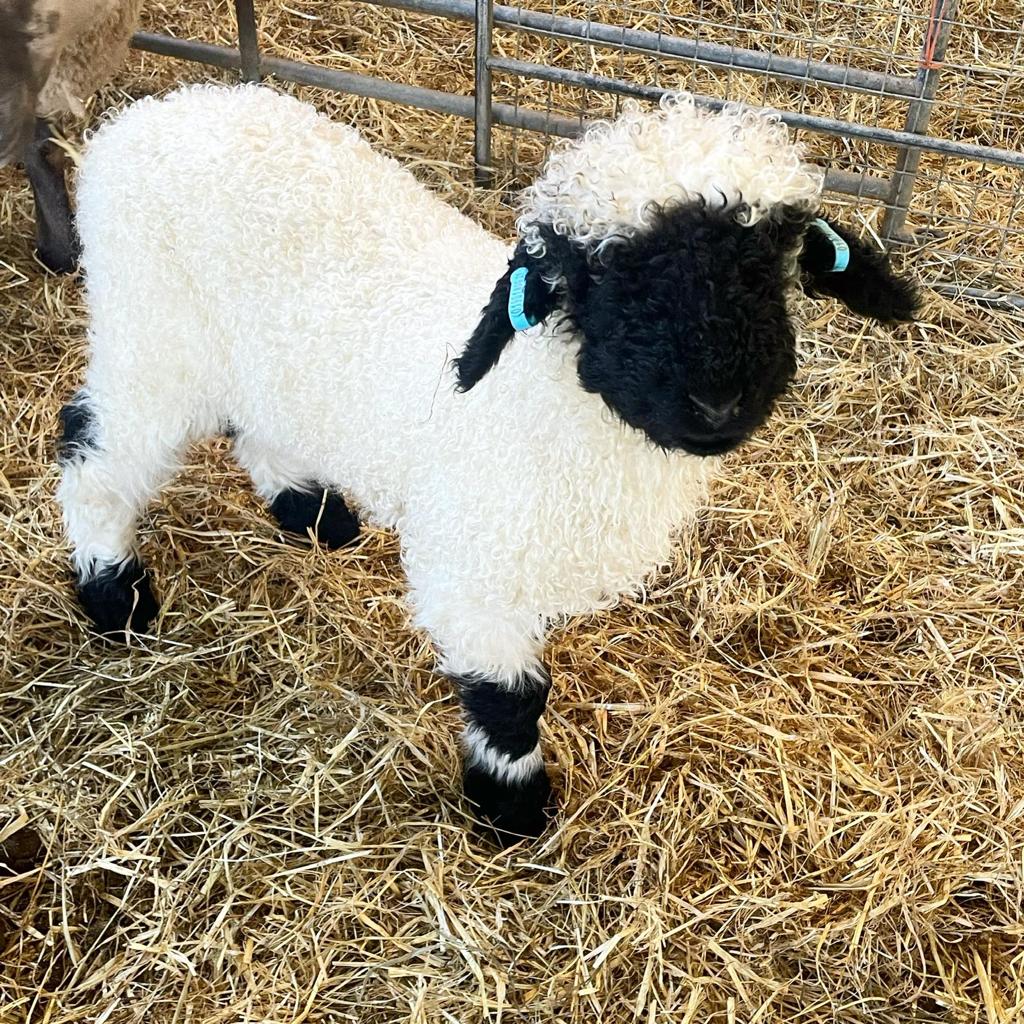
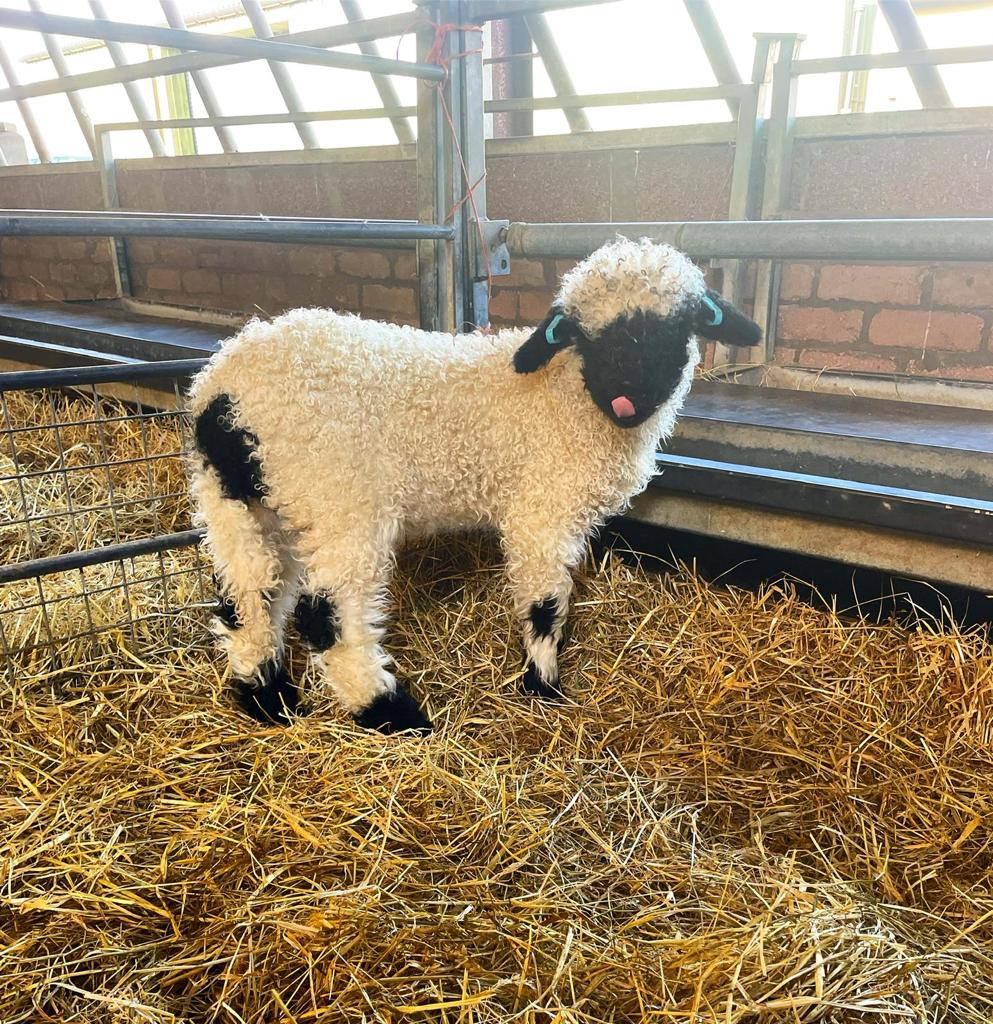
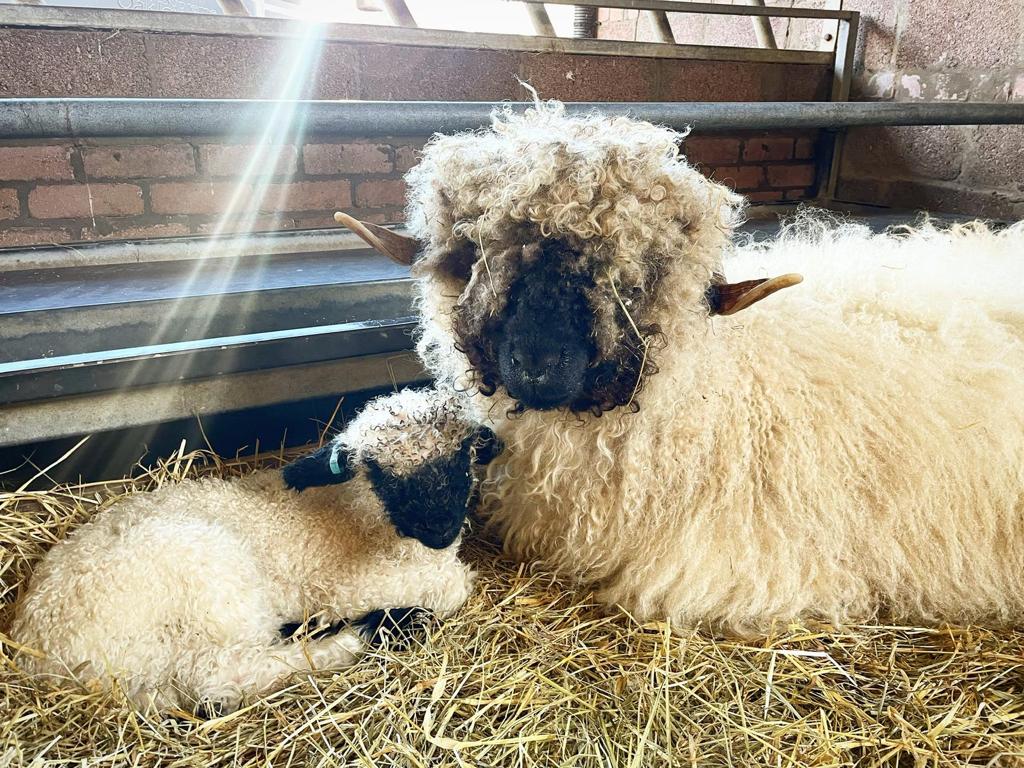
Valais Sheep are a breed of Alpine sheep native to the Alps. Their short, round head, black rimmed eyes, long tail, and thick, straight back are characteristics of this hardy mountain breed. They also produce wool that’s suitable for felting and carpets and their fleece is white with fluffy white look. A little-known fact about this breed is that they are extremely friendly and make excellent pets. The Valais Blacknose Sheep originated in the mountains of Switzerland. They’re a hardy, prolific breed that produces both wool and meat. While they were not recognized as a breed until 1962, they are now common in Germany and parts of the United Kingdom. The breed is also widely available in New Zealand.
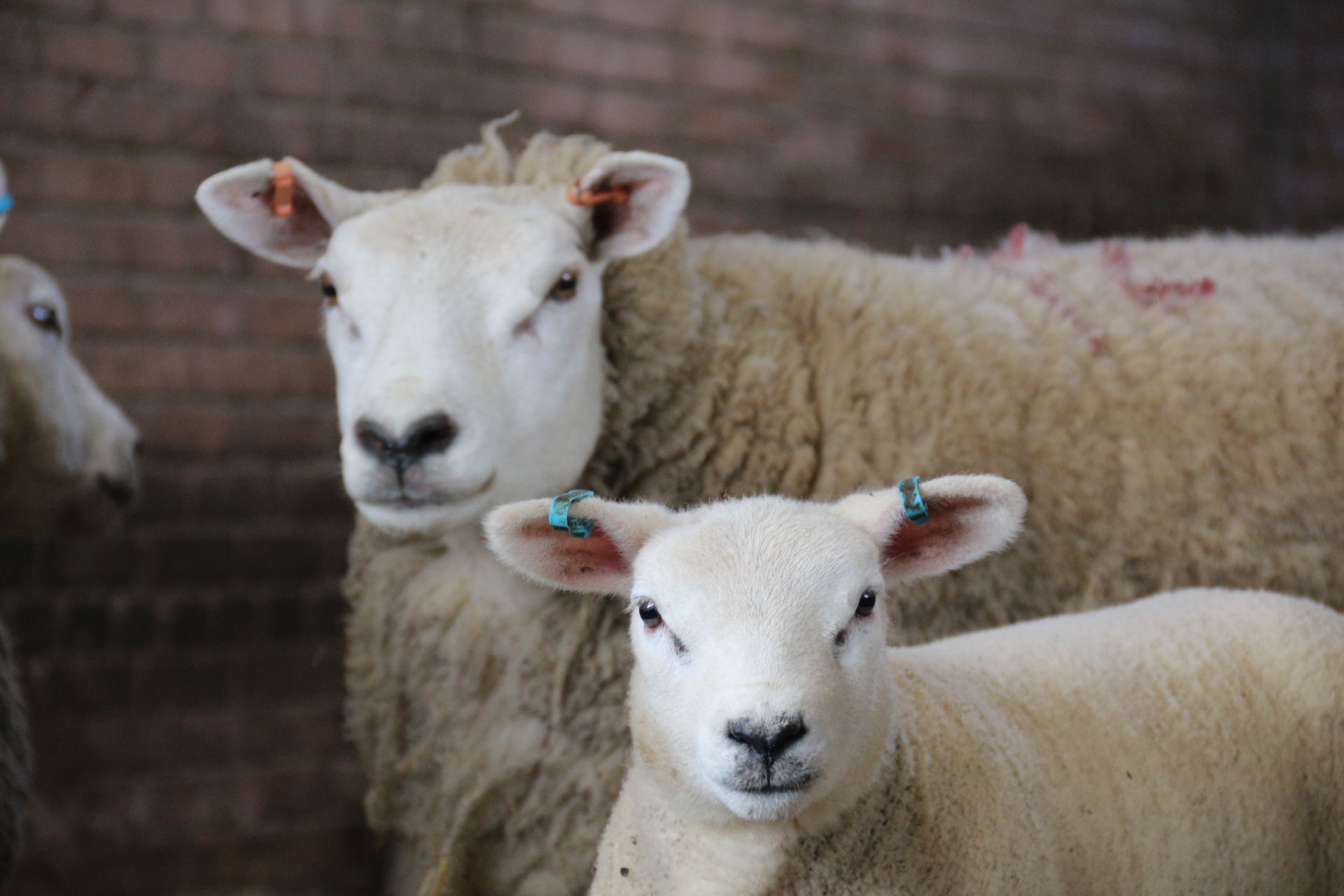
The breed originated on the island of Texel in the Netherlands. Texel sheep produce a fine wool that has a micrometer thickness of 32 micrometres. They have a unique appearance, with short necks and lean, heavily muscled bodies. Because of this, they produce less carcass fat than many other breeds. Their distinctive look is easy to identify. Its long, slender legs and black nose help distinguish it from its stockier cousins. Although it doesn’t have much wool on its legs and head, Texels produce high-quality white wool that is often used in knitting and fine yarns.
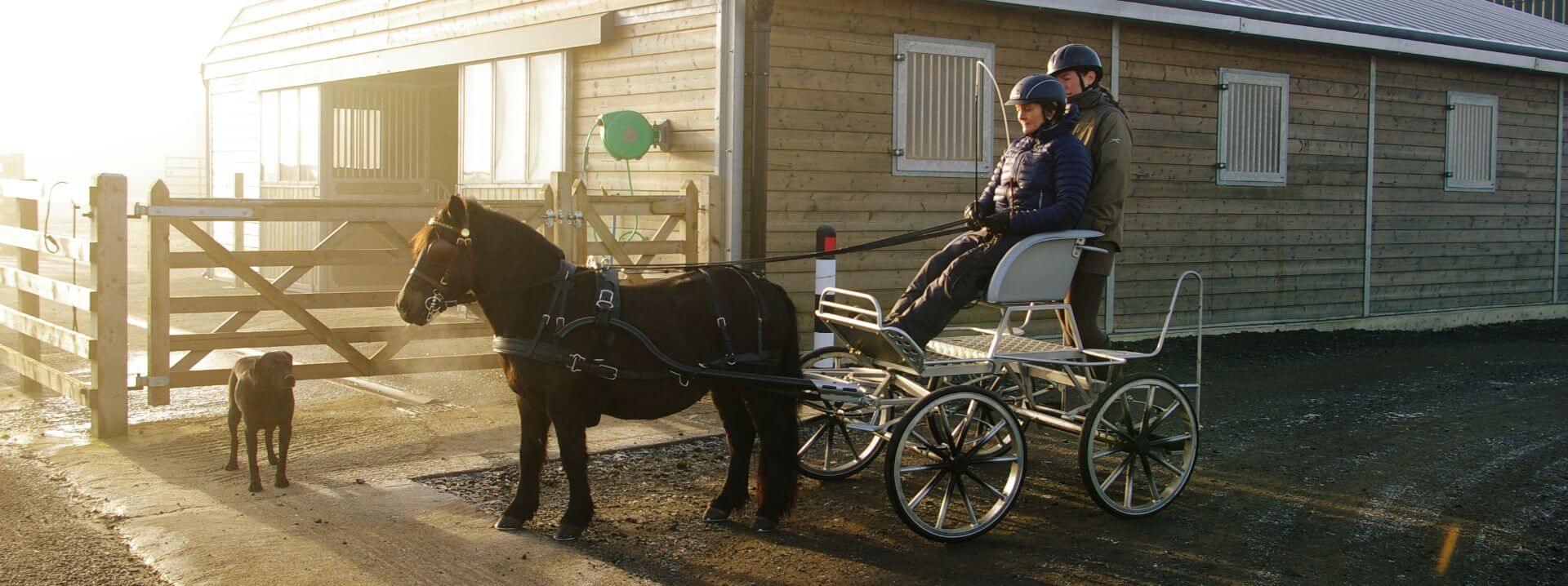
Equestrian enthusiasts will have plenty to see around Paddockhall. The large livery yard means there is a lot of horse based activity around the farm, and of course horses grazing in the pastures who are always happy to see a friendly visitor. It is tempting to pet the horse’s head, but it is not a good idea. Keep your head pointing to the side and stroking the neck. Horses love to be scratched on the neck, just behind their ears or at the highest point on their shoulders. If the horse is disinterested or backs away, you should stop petting him.
Set on a working farm in the fertile West Lothian countryside, Paddockhall Holiday Cottages are the perfect luxury base for family and friends to relax and enjoy this fascinating area.