About Paddockhall and the Surrounding Area

Paddockhall history
In 1938 the Lamont family acquired Paddockhall from Howie, and the McKerrow family acquired Grougfoot. There have been other pieces of land bought and sold during the Lamont period particularly for the construction of the M9. Paddockhall was acquired by the current owners in 2011.
Blackness Village history
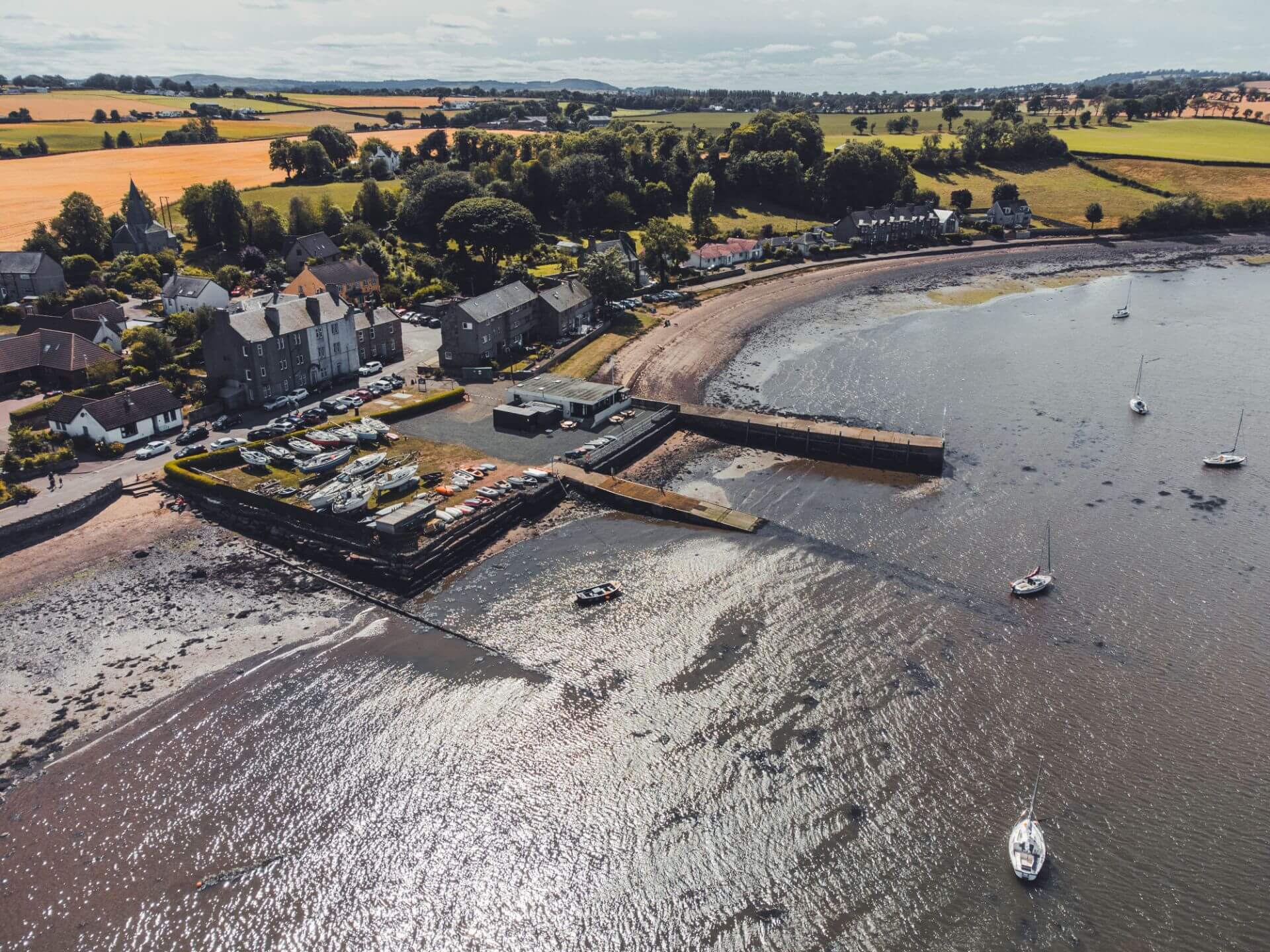
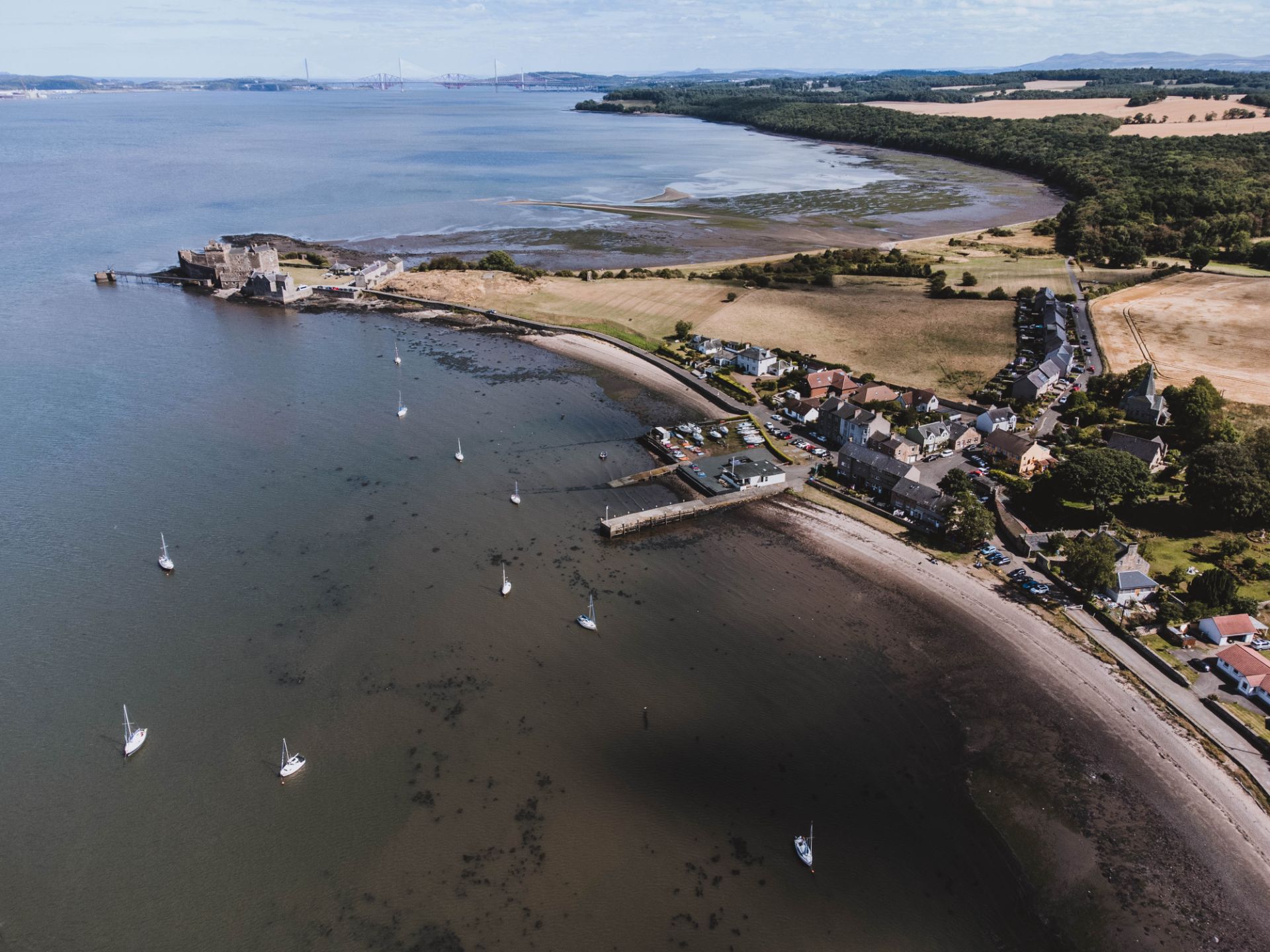
The village was originally a port for Linlithgow nearby, which was a major residence of the Scottish monarchs starting in the 12th century.
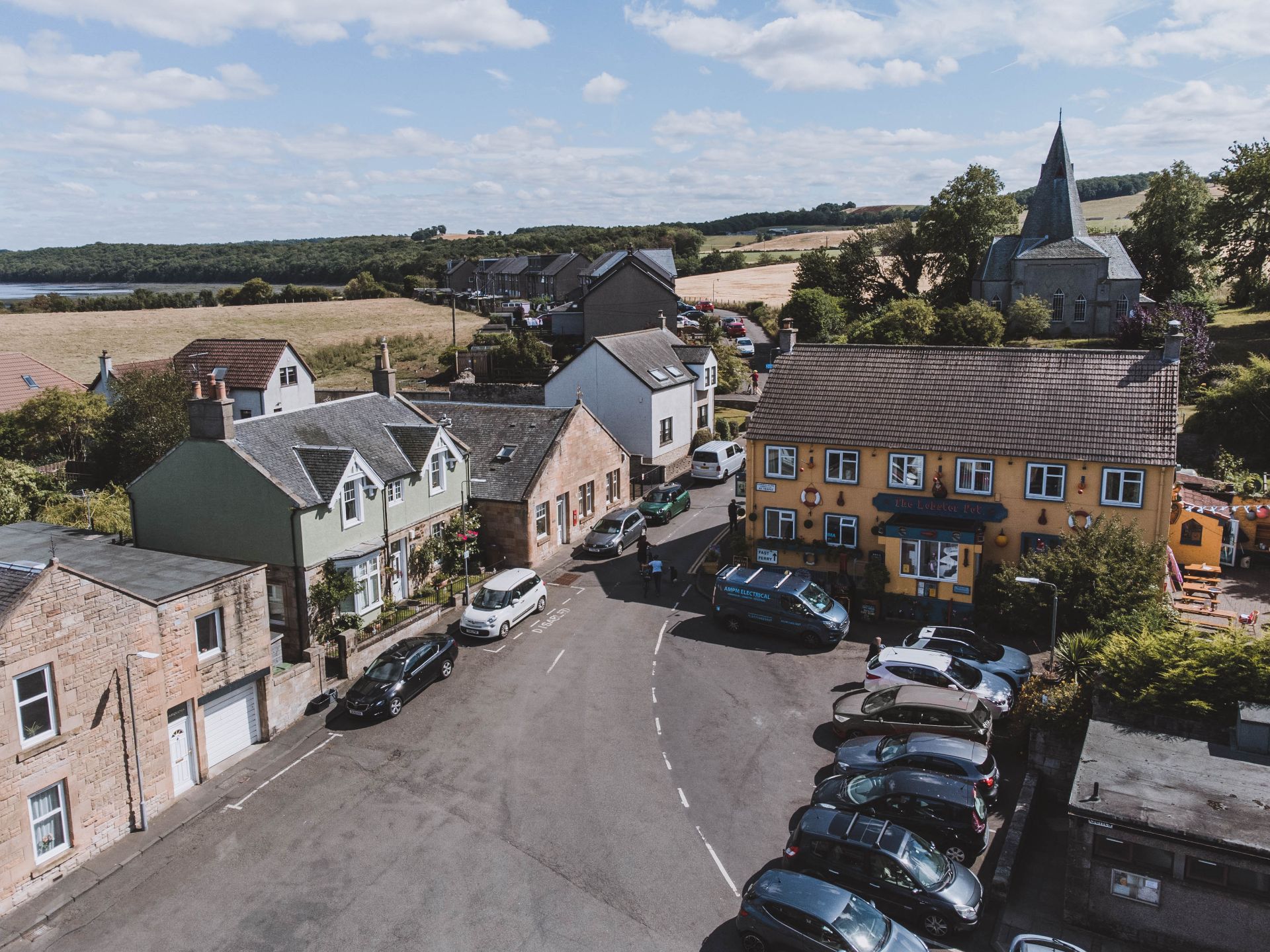
Early 1900’s Around the beginning of the 20th century the Square hosted a shop and Inn, also the Guildry was converted to residential use.
Early 1980’s The village contained a small variety shop, Post Office, Tea Room and a pub restaurant. The old smithy had long since shut its doors, as had the dairy which once operated from the village.
The only non-residential buildings that are currently active in the village are the castle, the boat club and the public loos.
In 1882-4, Frances Groome's Ordnance Gazetteer of Scotland described Blackness like this:
”Blackness, a seaport village in the E of Carriden parish, Linlithgowshire, on a small bay of its own name on the Firth of Forth 3 and a half miles ESE of Borrowstounness, and 3 and three quarters NE of Linlithgow station. Anciently the port of Linlithgow, and a place of extensive commerce, it also took consequence from a castle near it, which is supposed by some antiquaries to mark the eastern extremity of Antoinnus’ Wall, and was long one of the most important fortresses in the South of Scotland; it was, in main degree, superseded as a port, in 1680, by Borrowstounness, which, on account of possessing higher advantages of situation, was then made the port for Linlithgow; and since that time, it has sunk into almost total decadence, insomuch that its harbor went to ruin, its custom house was converted into lodgings, and its only commerce became a trivial exportation of bricks and tiles, and as trivial an importation of lime and manure” …
Biodiversity in and around Blackness
Blackness Bay together with Castle Hill is leased from Historic Scotland by Falkirk Council as Public Open Space. Blackness Bay, a Site of Special Scientific Interest (SSSI), extends from Blackness Castle to the Nethermill Burn at Hopetoun. It is the most diverse area of shore and grassland in both West Lothian and Falkirk Councils and contains many rare species.
The area is used by Heriot Watt and Napier Universities for Ecological Studies.
West Shore Wood is recognized for its wide range of habitats and species:
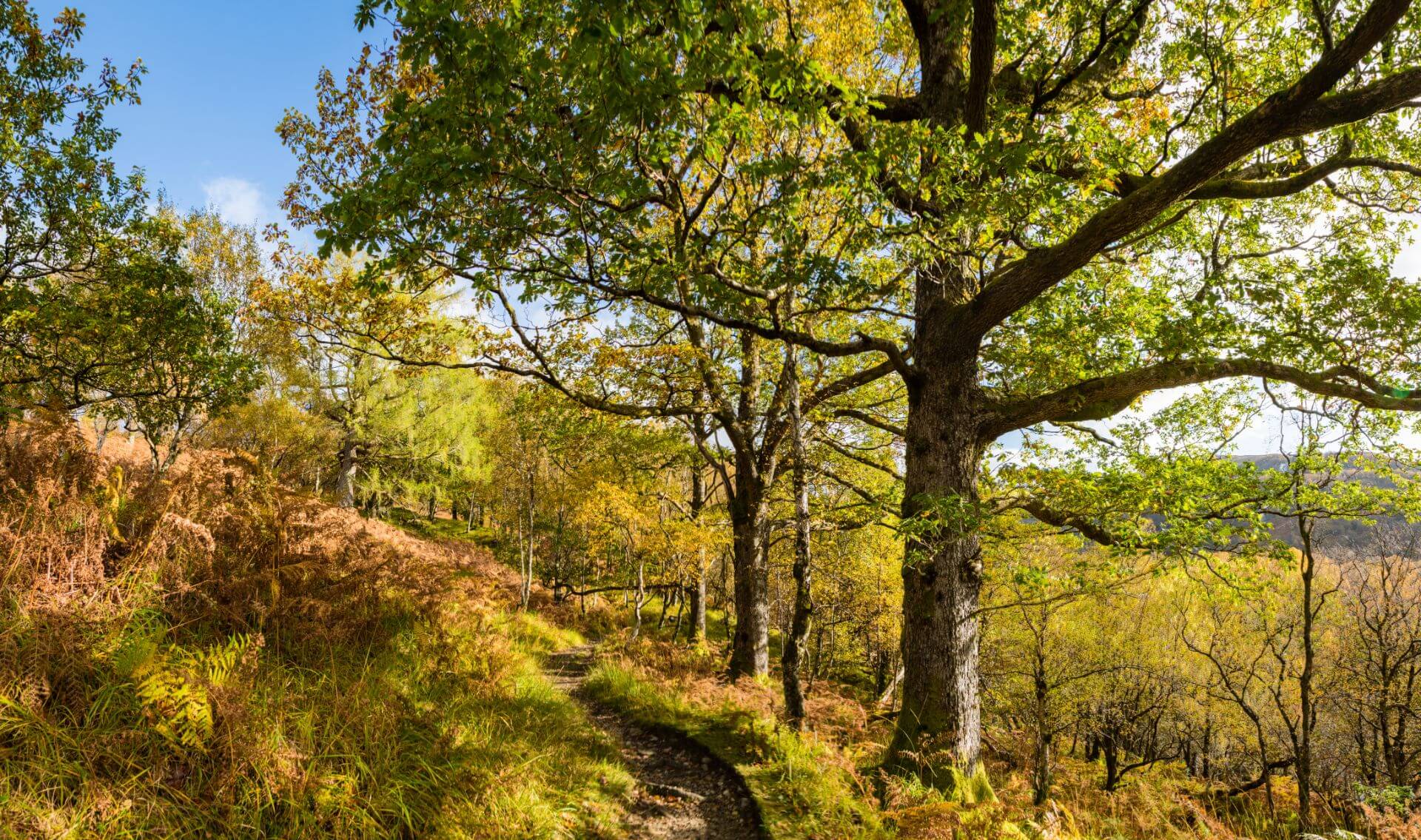
Flora – There are four main broadleaved tree species: ash, beech, sycamore and oak, as well as pockets of conifers like Scots pine and larch. It has been designated an Area of Great Landscape Value. It has considerable influence in moderating the local micro-climate and is a much-valued resource appreciated both by the people of Blackness and District and visitors from further afield.
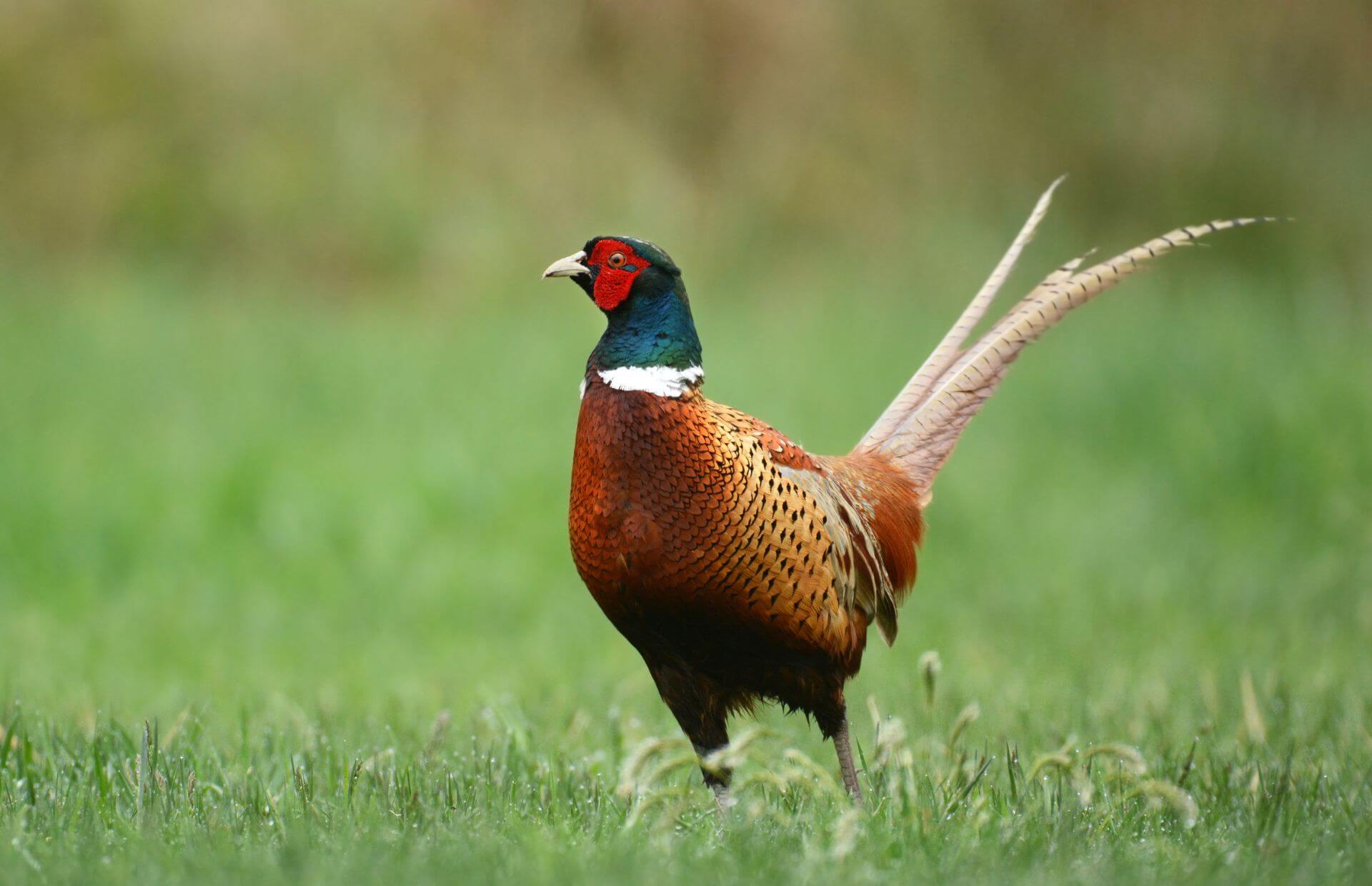
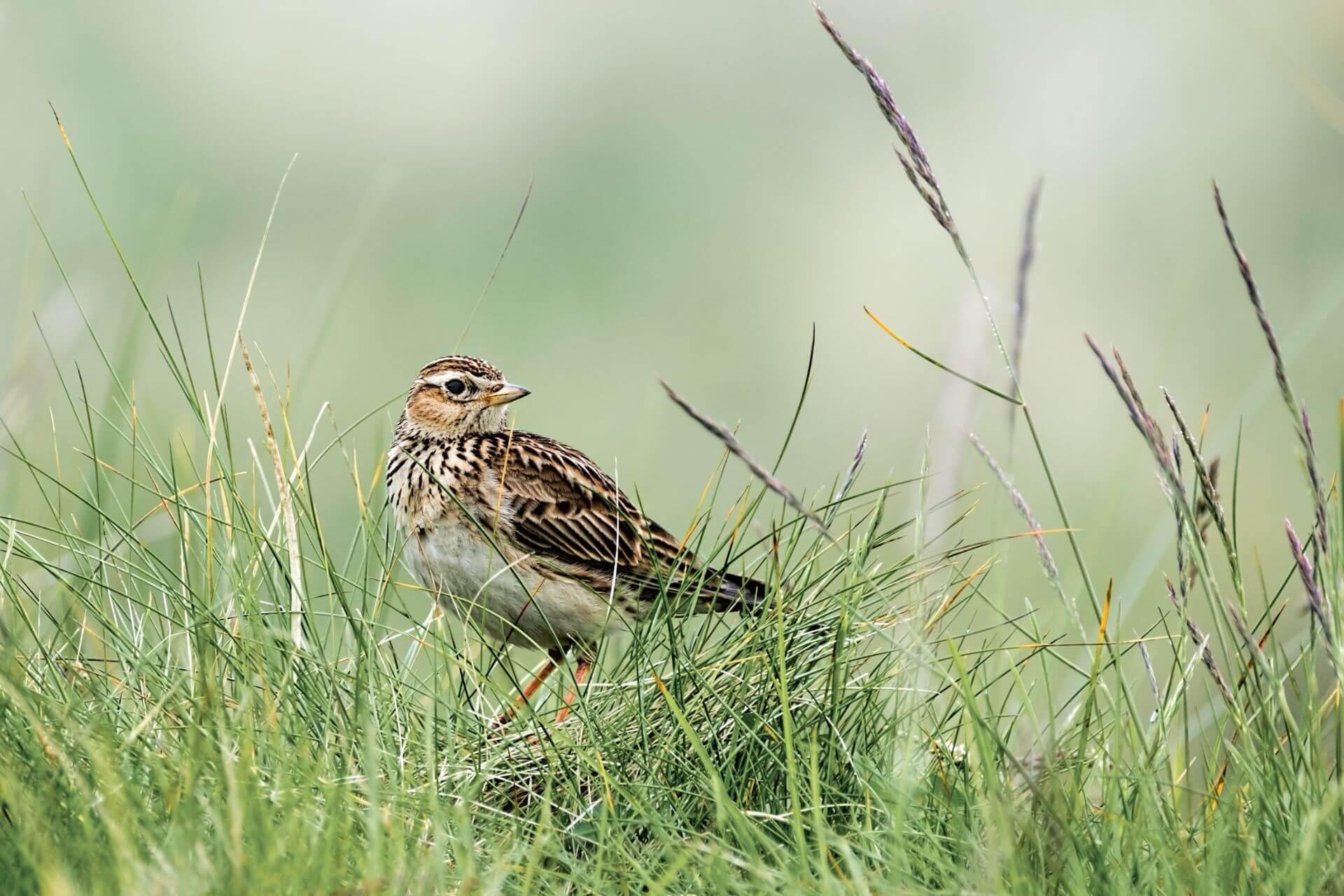
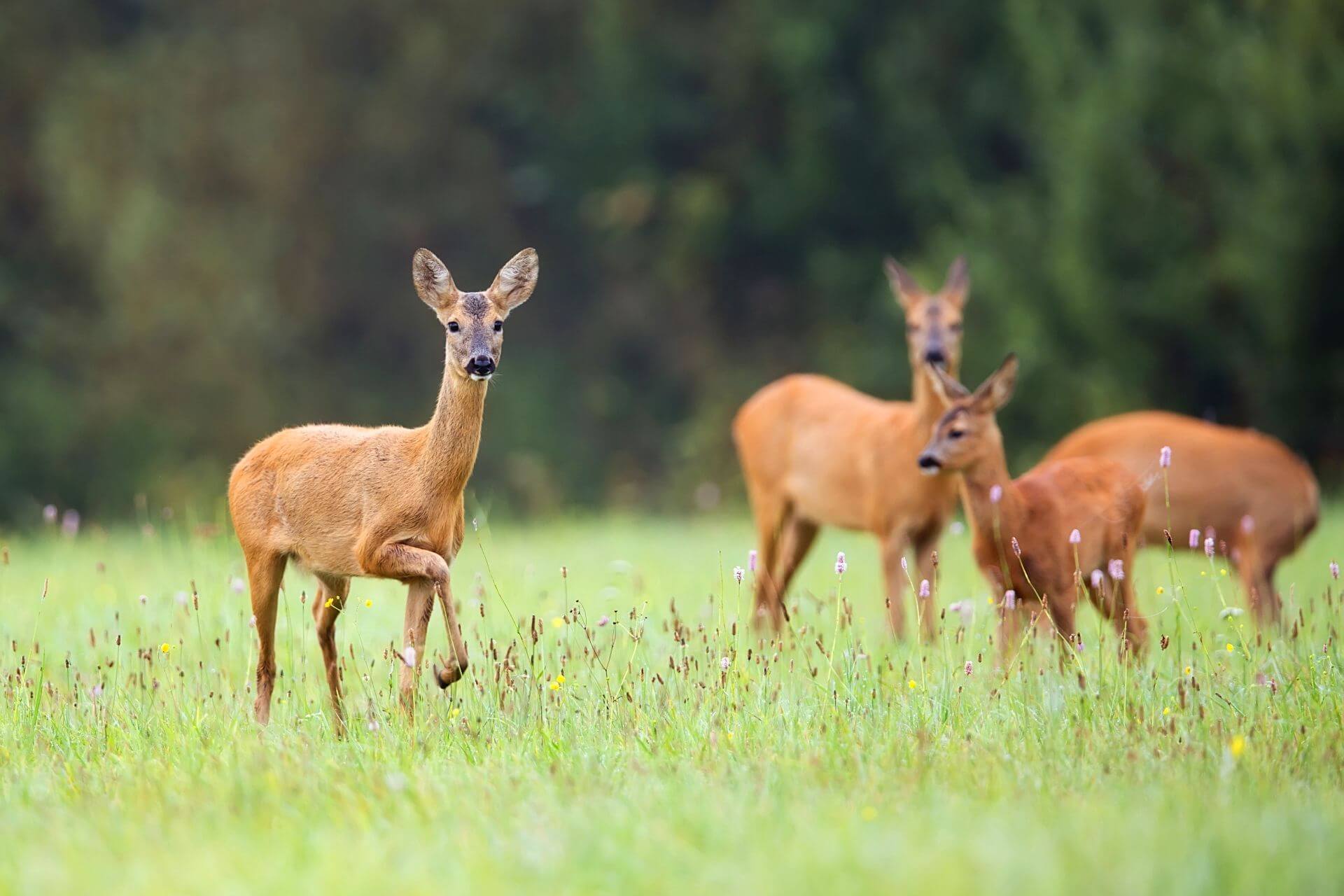
Fauna – The wood contains active badger sets and is home to othe mamals, including foxes, weasels, roe deer and brown hares. A variety of bird species can nest in the rich understory, which provides a perfect environment for their feeding and nesting. Many larger woodland birds, such as sparrowhawks, long-eared and tawny owls, and many crow species, nest in mature trees. The standing dead timber is a food source for Great Spotted Woodpeckers and nest sites for them. It also hosts a wide variety of insects and fungi.
Shore Wood – A small part of this privately owned wood lies within the north western corner of the Blackness area. It is listed in the Falkirk Council Inventory for Ancient, Long Established and Seminatural Woodlands as a “Long established wooded woodland of semi-natural origin”. It is therefore a rare native woodland species in Scotland. It is a Scottish Wildlife Trust-listed site for wildflowers, birds and other wildlife such as the Great Spotted Woodpecker. To view information about the seasonal Blackness area and to see a list of plants, visit The Back Shore exit from St Ninian’s Way.
The Farms
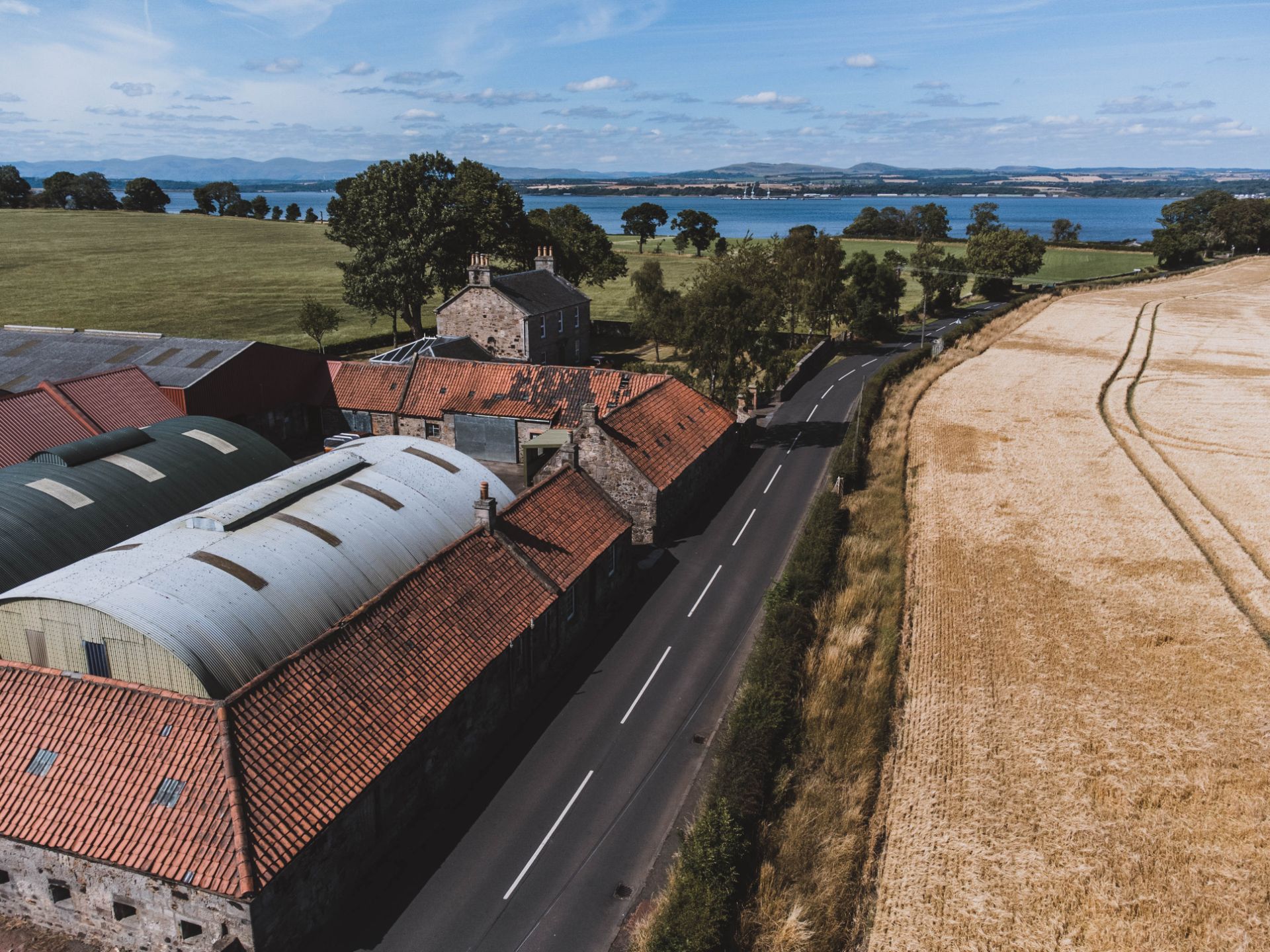
The farms of the Blackness are are Burnshot, Cauldcoats, Champany, Grougfoot, Mannerston, Paddockhall, Stacks and The Walton.
Cauldcoats Dairy Farm with 30 acres was run by the White family and is presently owned by their nephew. The old milk parlor which had fallen into disrepair has now been carefully rebuilt as a house using all the old stone.
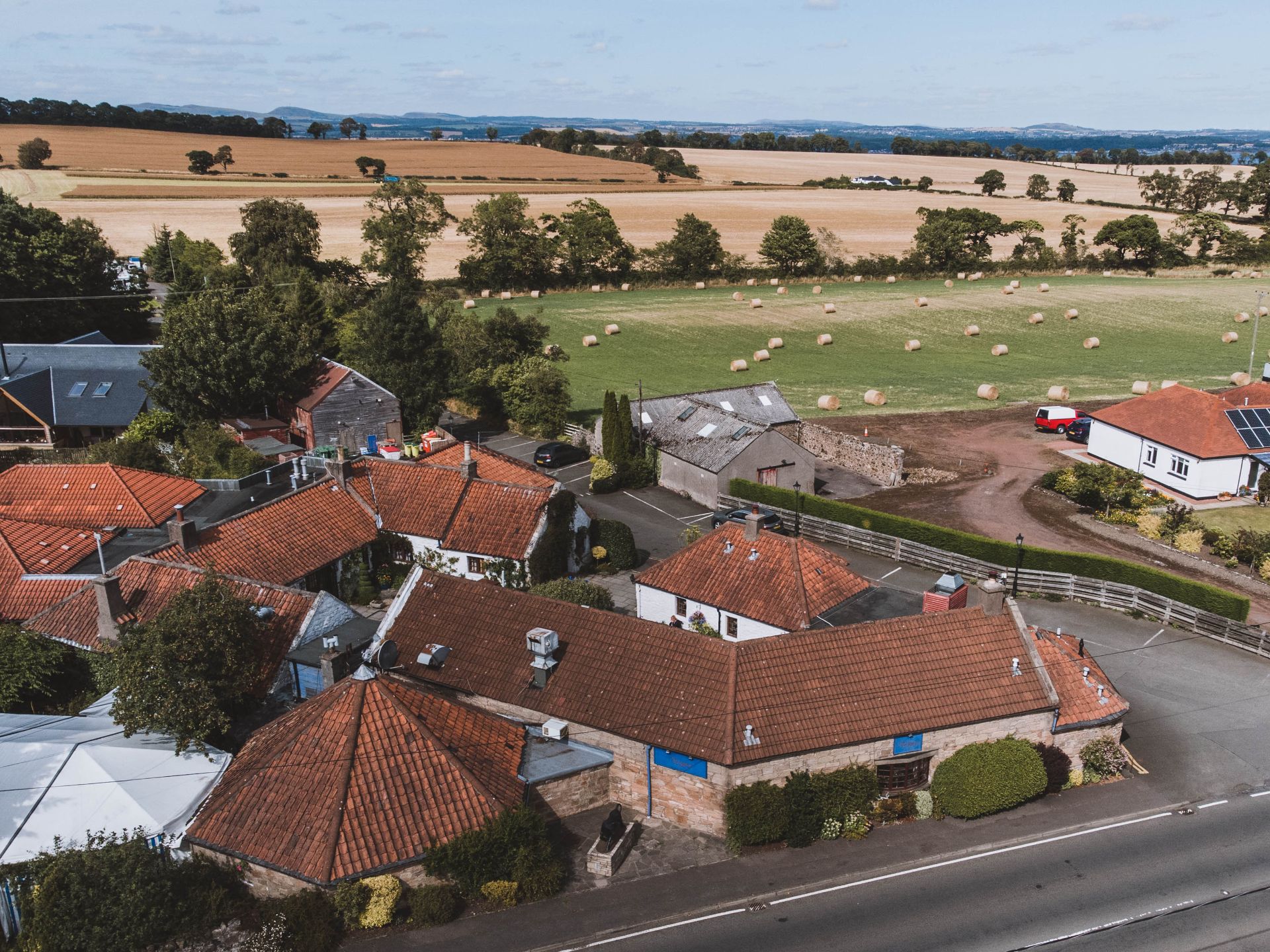
Champany is now the well known Champany Inn, renowned for its steaks, sea food and wine cellar.
Mannerston House returned to private ownership.
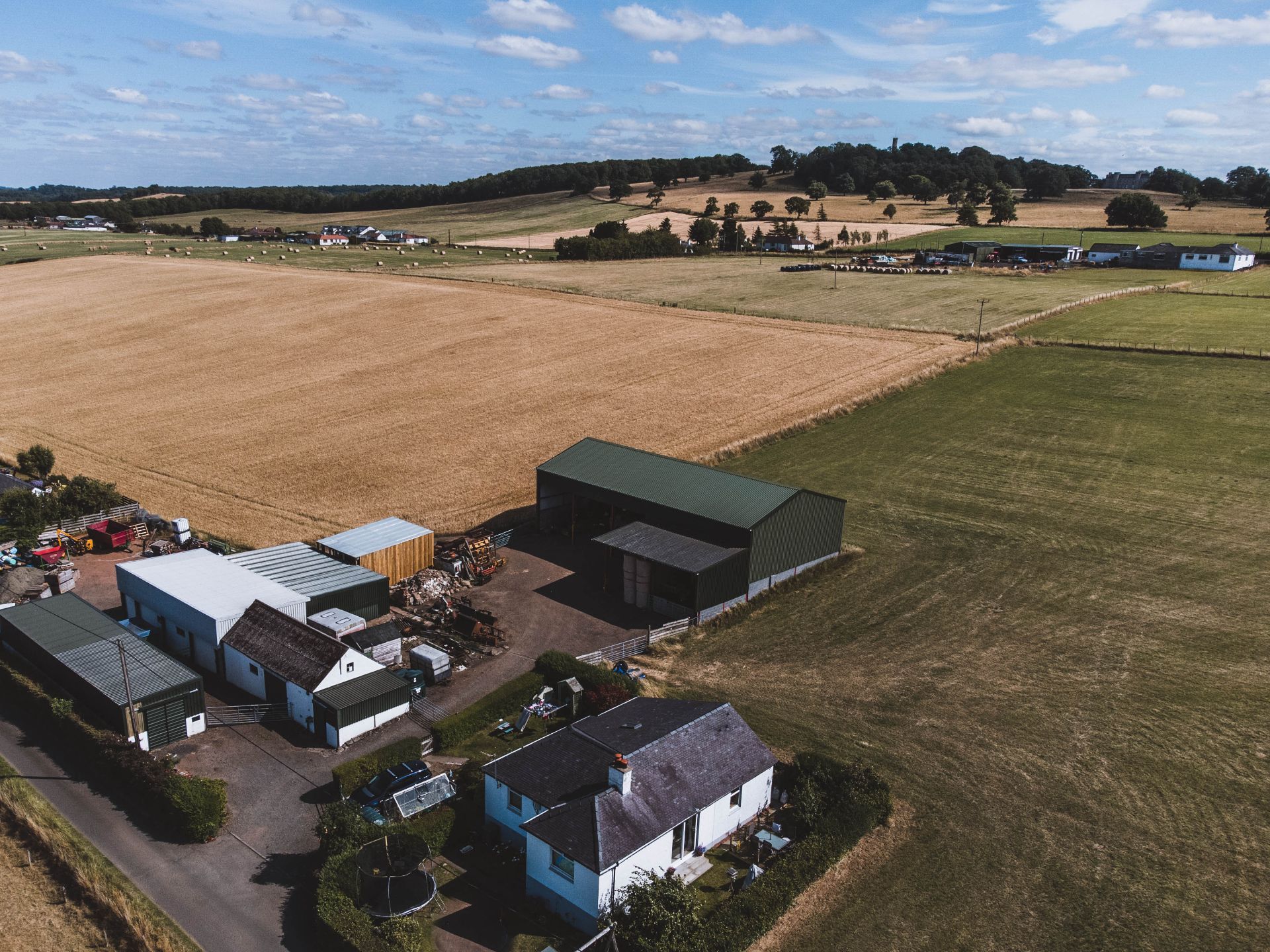
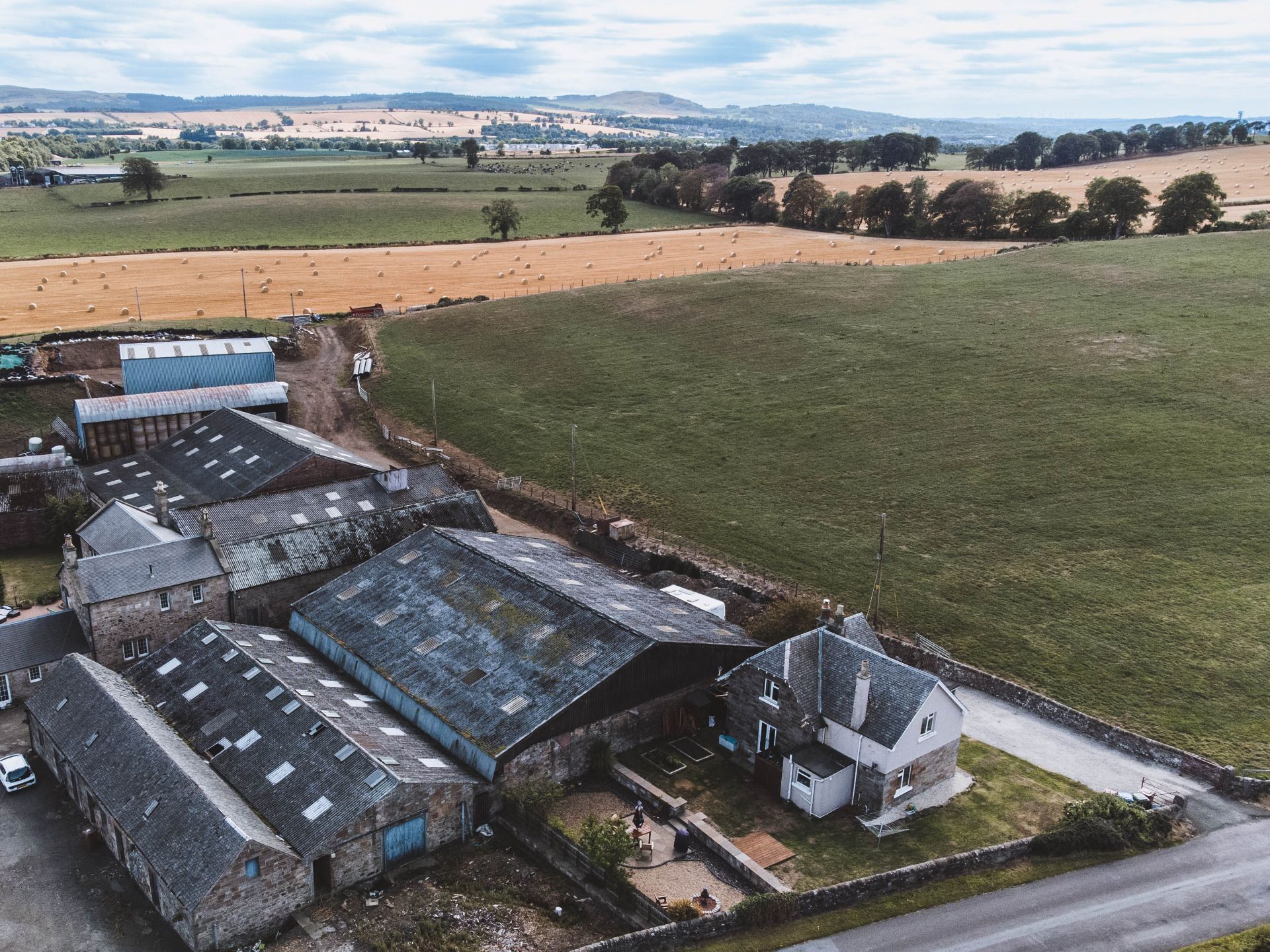
Burnshot, Stacks, The Walton, Paddockhall and Grougfoot all continue to be farmed.
Grougfoot of which Paddockhall was once part, was first mentioned in The Binns papers of 1320-1864. In 1529 Alexander Levingston of Grugfut witnessed an indenture with regard to Mannerstoun. In 1533 Alexander Lokkart and Alan his son ascertained a 5 march land of Grugefute. In 1764 Gruigfoot was owned by Col. Campbell Dalrymple lately Govenor of Guadaloupe and in 1767 it passed into the ownership of William Maxwell, sometime of the lsland of Antigua and then Carriden. He left Grugfoot to his only child also William. ln 1787 it was disponed by the Duke of Hamilton and Brandon and Francis Charteris, Earl of Wemyss. In 1820 John Johnston of Straiton became the owner, leaving it to his nephew Robert Hathorn Johnston Stewart in 1843. It all remained in the Johnston Stewart family of Champfleurie until 1920 when the Trustees sold to Thomas Howie, Farmer, Paddockhall, the farm and lands of Paddockhall, which formed part of the town and lands of Grugfoot.
Archaeology
There is evidence that Blackness has been inhabited since prehistoric times.
The Blackness Antler Point
A Mesolithic Middle Stone Age barbed antler point was discovered on the shore to west of Blackness in 1993. It was presented to the National Museum by the National Museum in 1996.
Blackness Green Cist
During the excavation of a trench at the top of the hill south of Blackness Castle in 1944, two burials were discovered. One burial contained the cremated remains a child and an adult, which could have been kept in a cist. The second included two adult inhumations, accompanied by a Bronze Age food container.
Burnshot Enclosure
This Bronze Age enclosure is oval, measuring approximately 50m east/west by 40m, bounded by a single ditch about 5m wide. It is bounded by a ditch measuring 5m in width. The east side of this enclosure has indistinct cropmarks measuring between 1-2m and 1-3m respectively. This could be a contiguous enclosure. It was planned as a settlement and field network 443m north from Burnshot.
Pictish Hill Fort
Evidence exists of a Pictish hill fort on Binns Hill, near the Binns Tower.
The Antonine Wall
Built in 140-141AD, it is believed to have ended at Caer Iddin now known as Carriden, but with three forts at each end, it seemed probable that one was at Blackness where Roman ships could land.
Geology
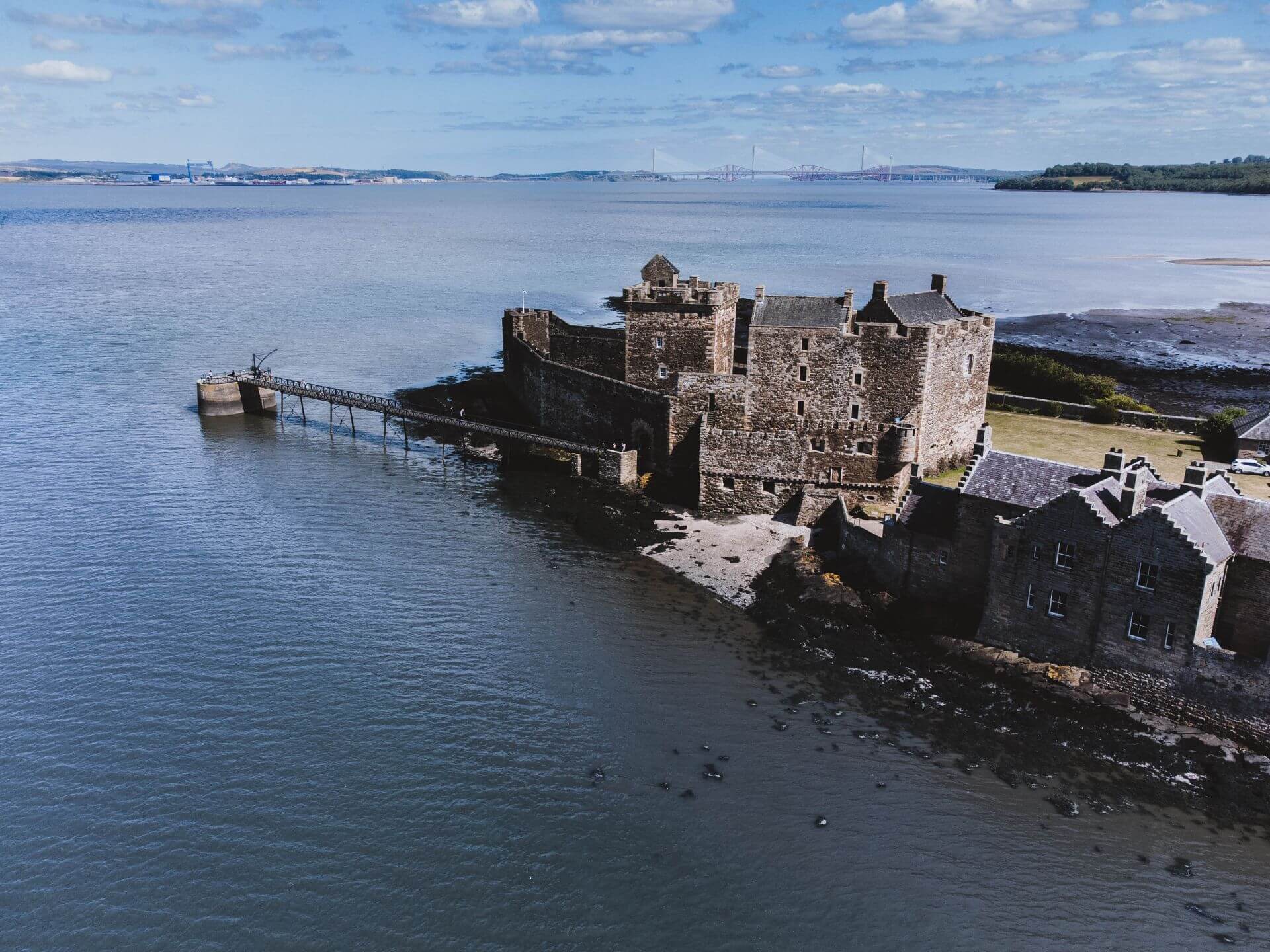
Blackness Castle stands on a promontary of Teschenite basalt. The name Blackness is derived from the nose (Fr. ‘nez’) of this black coloured igneous rock which provides such a firm foundation for the building.
The Buried Bed of The River Avon
In 1865 a set of trial bores were sunk between Blackness and Charlestown for the first Forth Bridge scheme by Mr, later Sir Thomas Bouch. One bore, 450m away from Charlestown, was submerged 70m below the water level without ever reaching the bottom. Another bore located 800m south-east of Blackness reached a ground depth of 30m and eventually struck rock at 47m. The buried river valley bed lies 17m below the sea level.
Glaciation Changed the Course of The River Avon
An area of deep glacial drift is located to the east and south of the Blackness basalt sandstone sill. This gap is the channel for the Avon, which ran originally towards the Forth between Blackness Hill and Binns Hill. This area was home to a series of bores that were completed in 1920. Bore B was located 275m away from the high watermark and reached the rock surface at 25m depth. This bore confirmed the existence of the Avon’s preglacial riverbed, which was blocked by boulder clay and gravel.
Binns Volcano
Near the top of the bore there was a thick layer of volcanic ash from the Binns volcano.
Natural Gas Blower
The bore’s upper section was also occupied by a blower of natural gases. This created enough pressure to lift the rods and heavy boring tools. It could not be extinguished once lit. After five years, the Great Blower ceased to exist and no more gas is found in the hole. There are some sandstone reefs to the west of Blackness.
Things To Do
Paddockhall is a perfect location to explore all Edinburgh and central Scotland has to offer, at your own pace.
Check Our
Luxury Cottages
Set on a working farm in the fertile West
Lothian countryside, Paddockhall Holiday
Cottages are the perfect luxury base for
family and friends to relax and enjoy this
fascinating area.